
Learning Watchmaking One eBay Project at a Time
One of the biggest parts of learning watchmaking that I didn’t fully appreciate at the beginning was sourcing.
It’s one thing to buy a new movement, dial, case, and hands and assemble a watch from known parts.
Vintage watches are a completely different experience.
Over the last several weeks, I’ve spent an unreasonable amount of time searching eBay, Whatnot, and other places for old mechanical watches, pocket watches, donor movements, parts watches, and anything that looks just broken enough to be interesting without being completely destroyed.
Sometimes I find something worth buying.
Sometimes I find something that looks promising and turns into a problem.
And sometimes the best decision is realizing the watch is not worth buying in the first place.
Learning How to Buy Projects
When I first started looking, I was mostly searching for inexpensive mechanical watches that I could practice on.
Now I’m becoming a lot more deliberate about what I buy.
I look at the movement, jewel count, case size, parts availability, dial condition, crown and stem condition, visible rust or corrosion, whether the balance looks intact, and whether there is enough value in the watch to justify the time and parts it may need.
One of the biggest things I’ve learned is that “running” does not mean “serviced.”
A watch can tick for thirty seconds on a seller’s desk and still need a full overhaul.
Movement photos matter.
Good listing photos matter.
And if the inside of the watch looks like it spent twenty years at the bottom of a lake, I’m learning to keep scrolling.
The Types of Watches I’m Targeting
Most of what I’ve been buying has been mechanical.
Manual-wind watches are especially useful for learning because they are generally simpler than automatics and make it easier to understand the basic systems inside the movement.
A lot of my early targets have been 17-jewel and 21-jewel manual-wind movements because they are a good place to learn disassembly, cleaning, reassembly, lubrication, and troubleshooting without adding the complexity of an automatic winding system.
At the same time, I’ve also been buying some automatics so I can gradually work my way into more complicated movements.
That is really the next step for me.
I feel much more comfortable now with the basic layout of manual-wind movements, and aside from one very specific area, I’m starting to feel like I can get most of them apart and back together without too much trouble.
The next challenge is moving into automatics.
That means dealing with rotors, automatic winding systems, reverser wheels, additional bridges, and generally more parts packed into the same amount of space.
I have several vintage Seiko automatics waiting for exactly that reason.
Some of the Projects I’ve Bought So Far
Here are some of the watches and movements currently making their way across my bench:
TAG Heuer Trackstar stopwatch, parts or repair — $5.50
Caravelle 333 38mm diver — $73.00
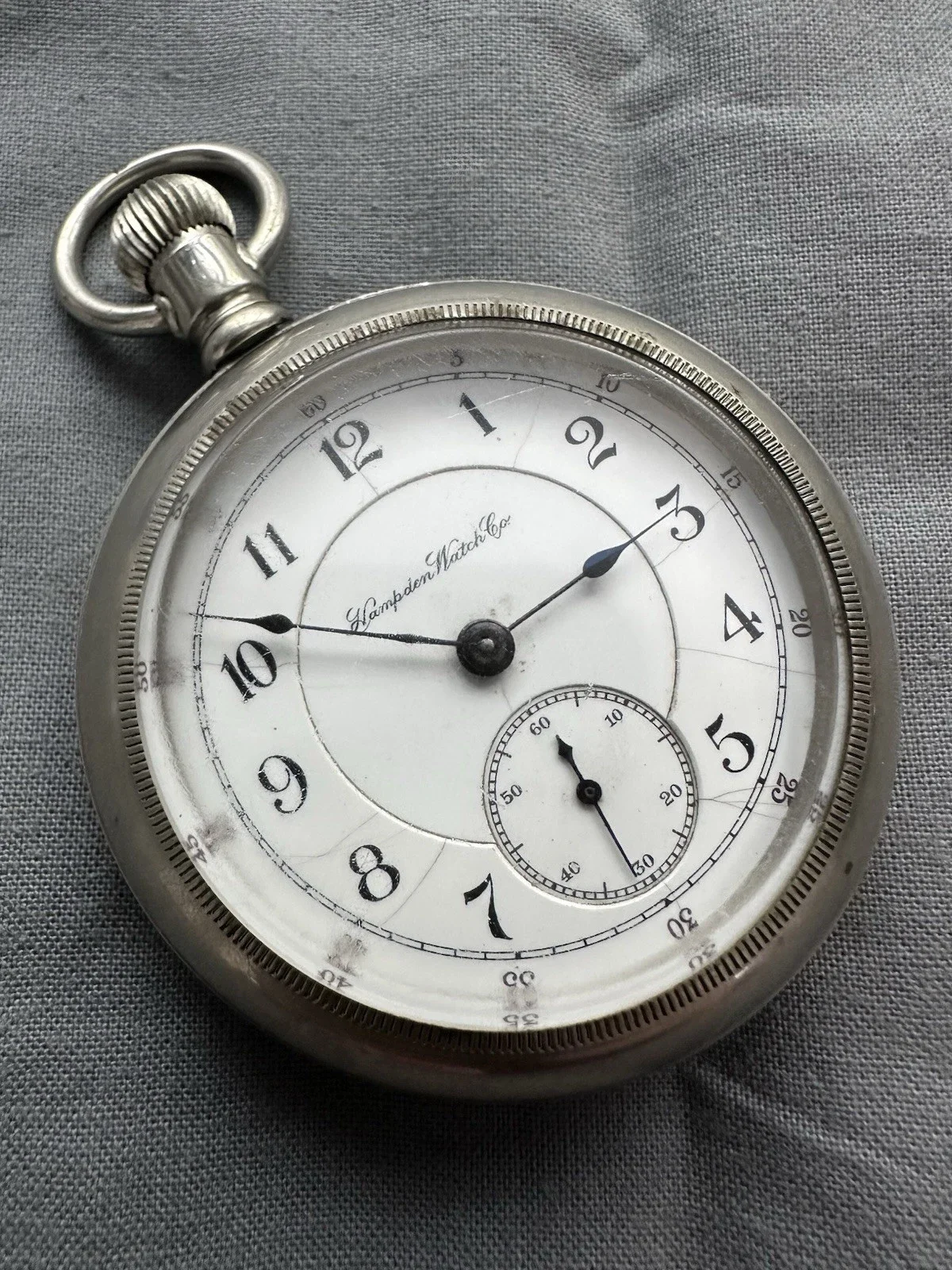
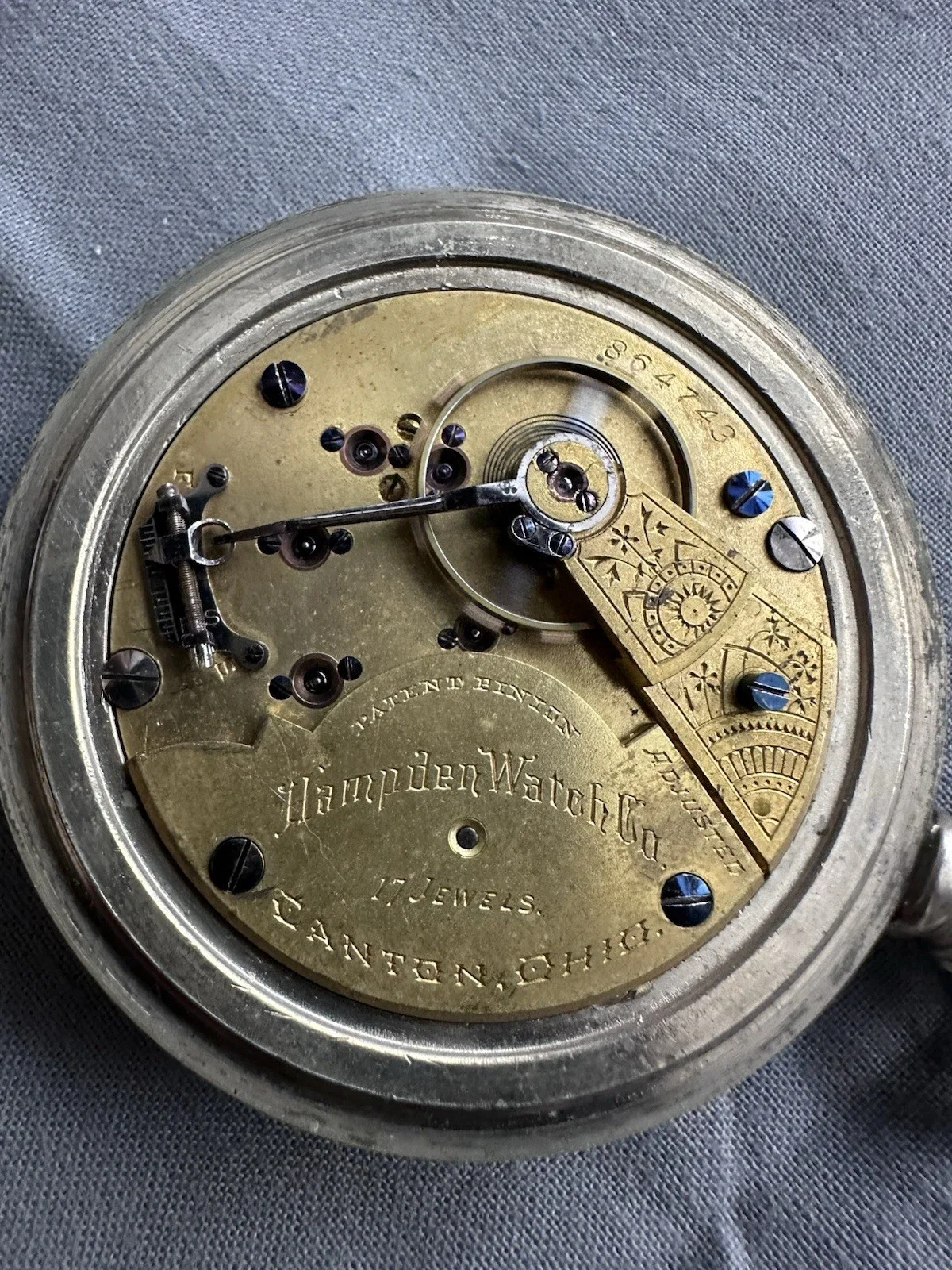
1894 Hampden No. 69, 18s, 17J pocket watch — $59.99
1975 Caravelle 17J manual-wind — $42.49
Bulova mechanical blue-crystal wristwatch — $26.00
Seiko 6602-8040, 17J manual-wind — $26.00
Seiko 5 6119-8083, 21J automatic — $36.00
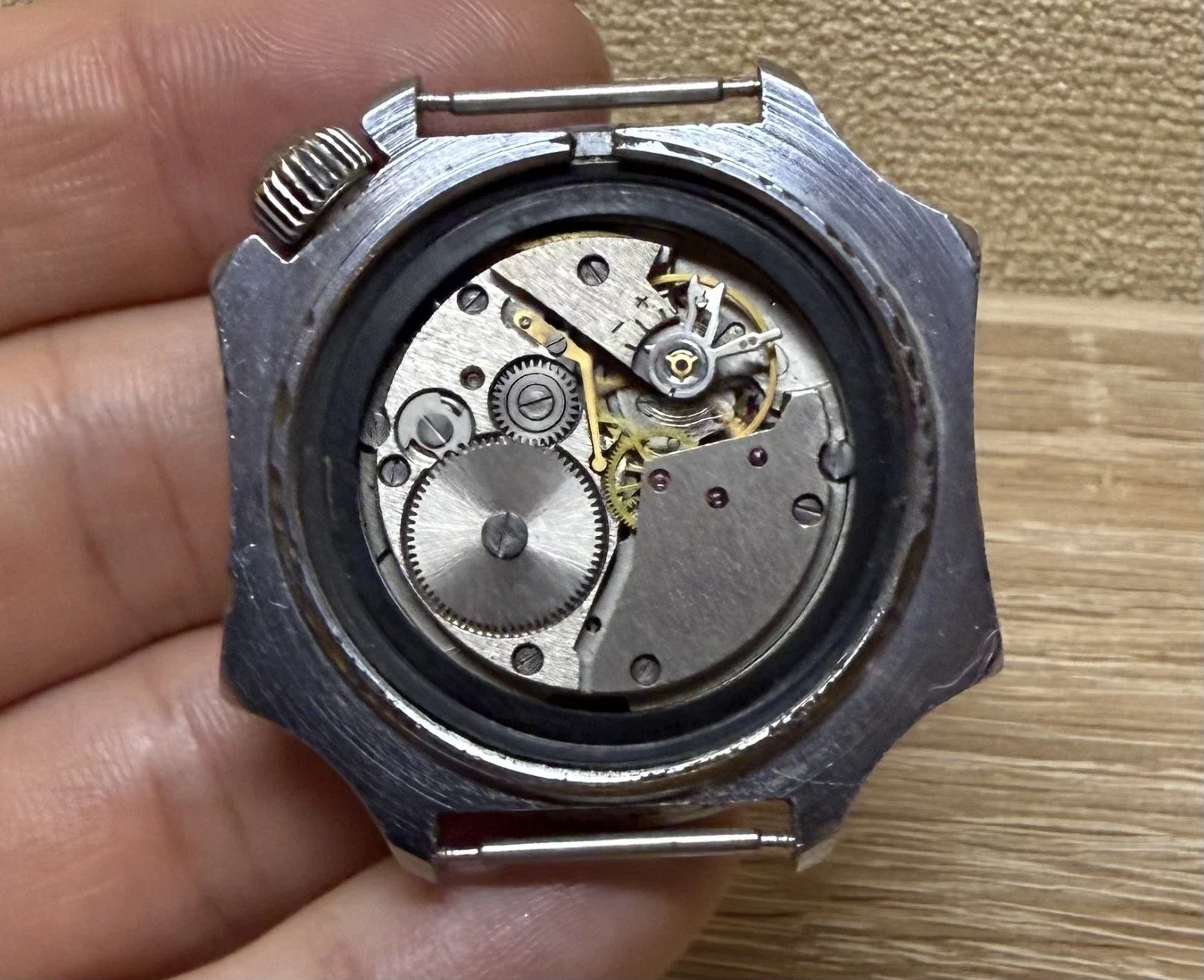
Vostok Komandirskie, non-running — $27.00
Seiko 5 7019-7190, 21J automatic — $53.00
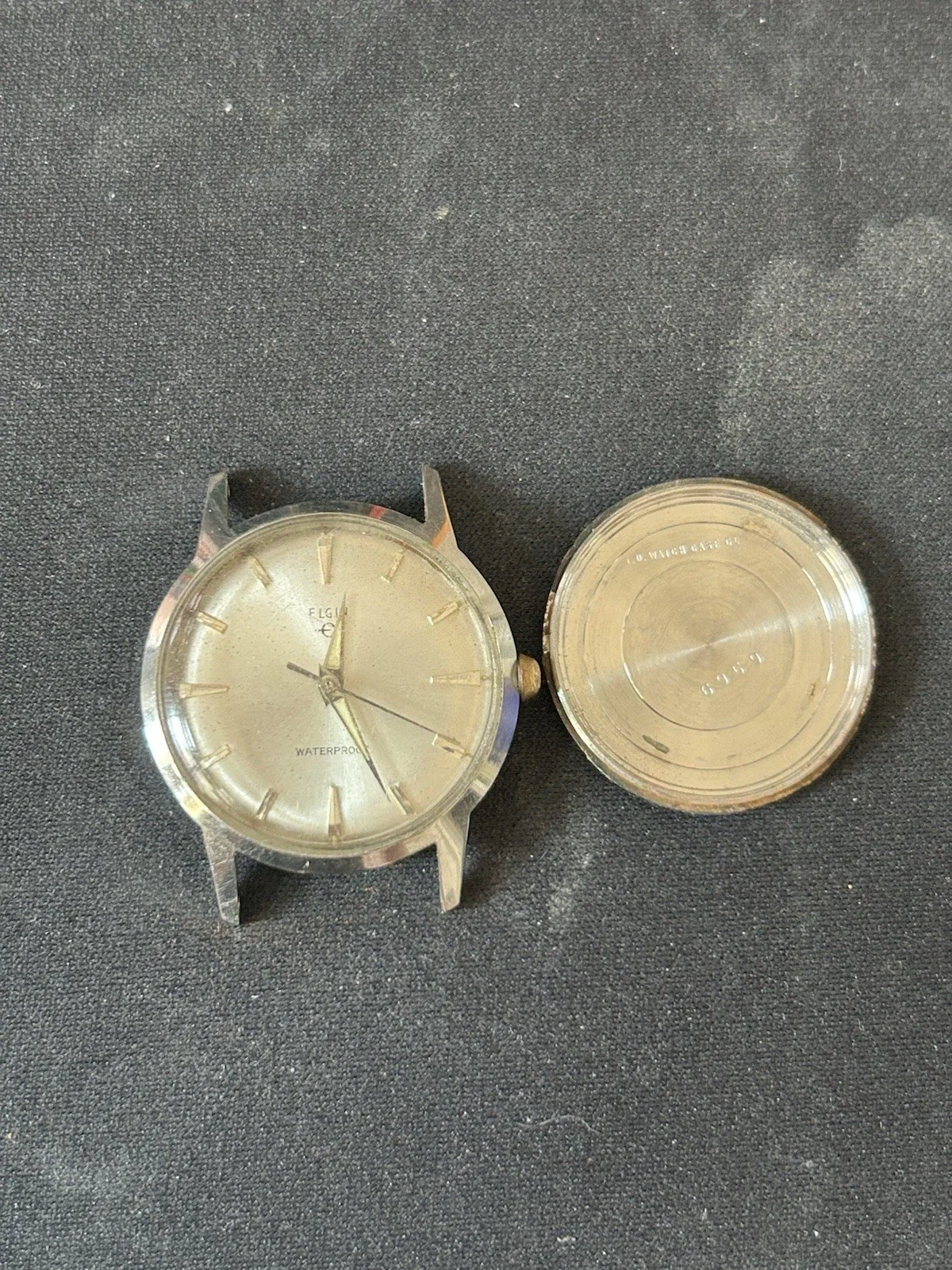
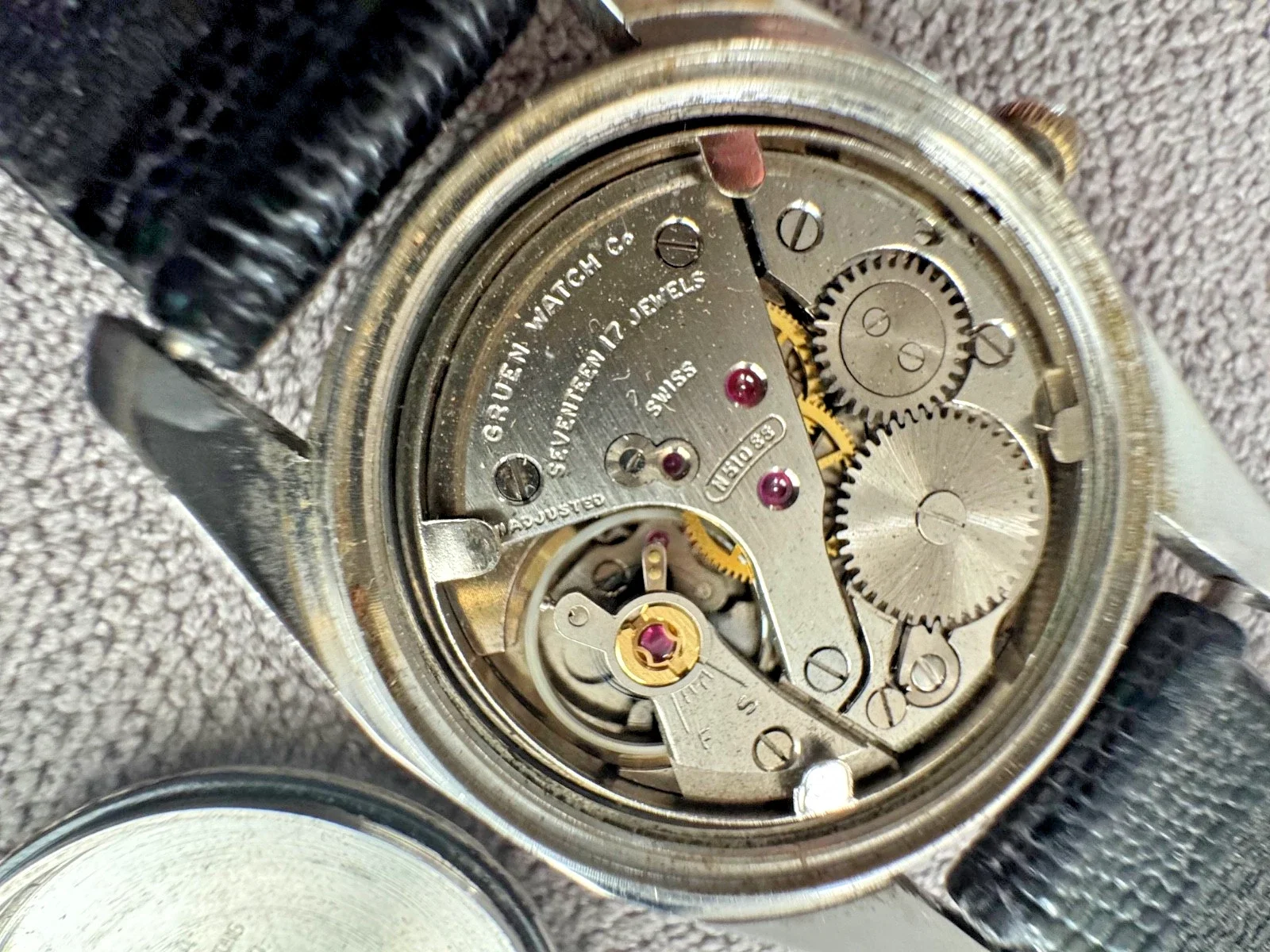
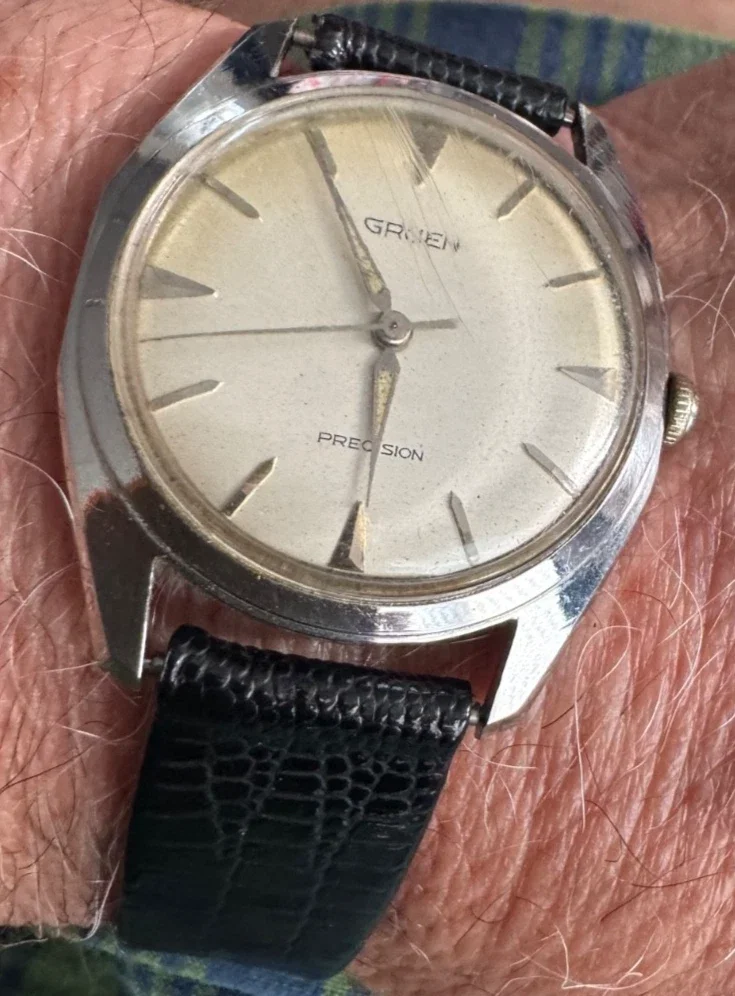
1950s Gruen Precision, 17J manual-wind — $42.01
Elegant Swiss 17J engraved hunting-scene pocket watch — $49.99
1914 Hamilton Grade 992 Model 2, 16s, 21J pocket watch — $131.50
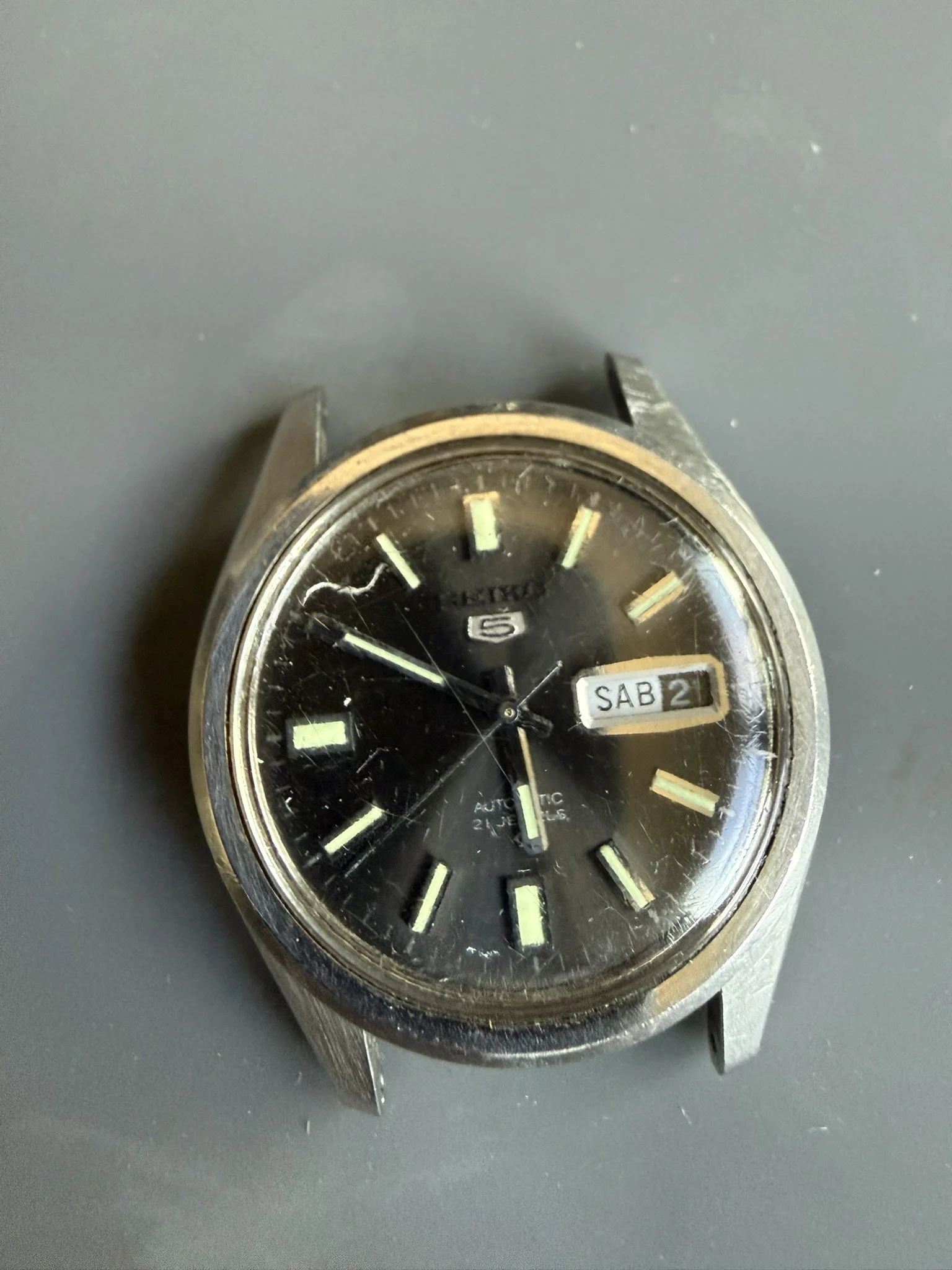
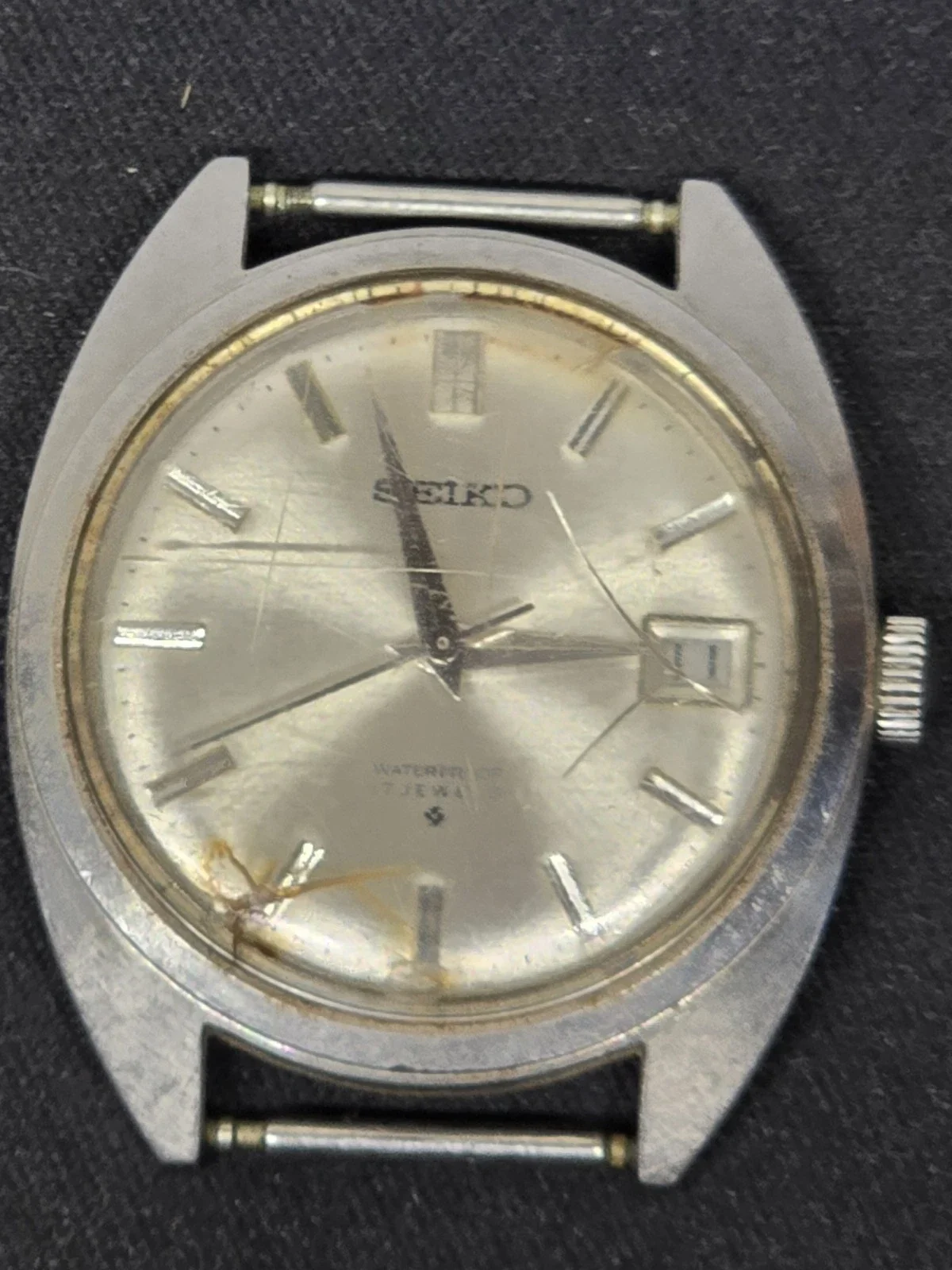
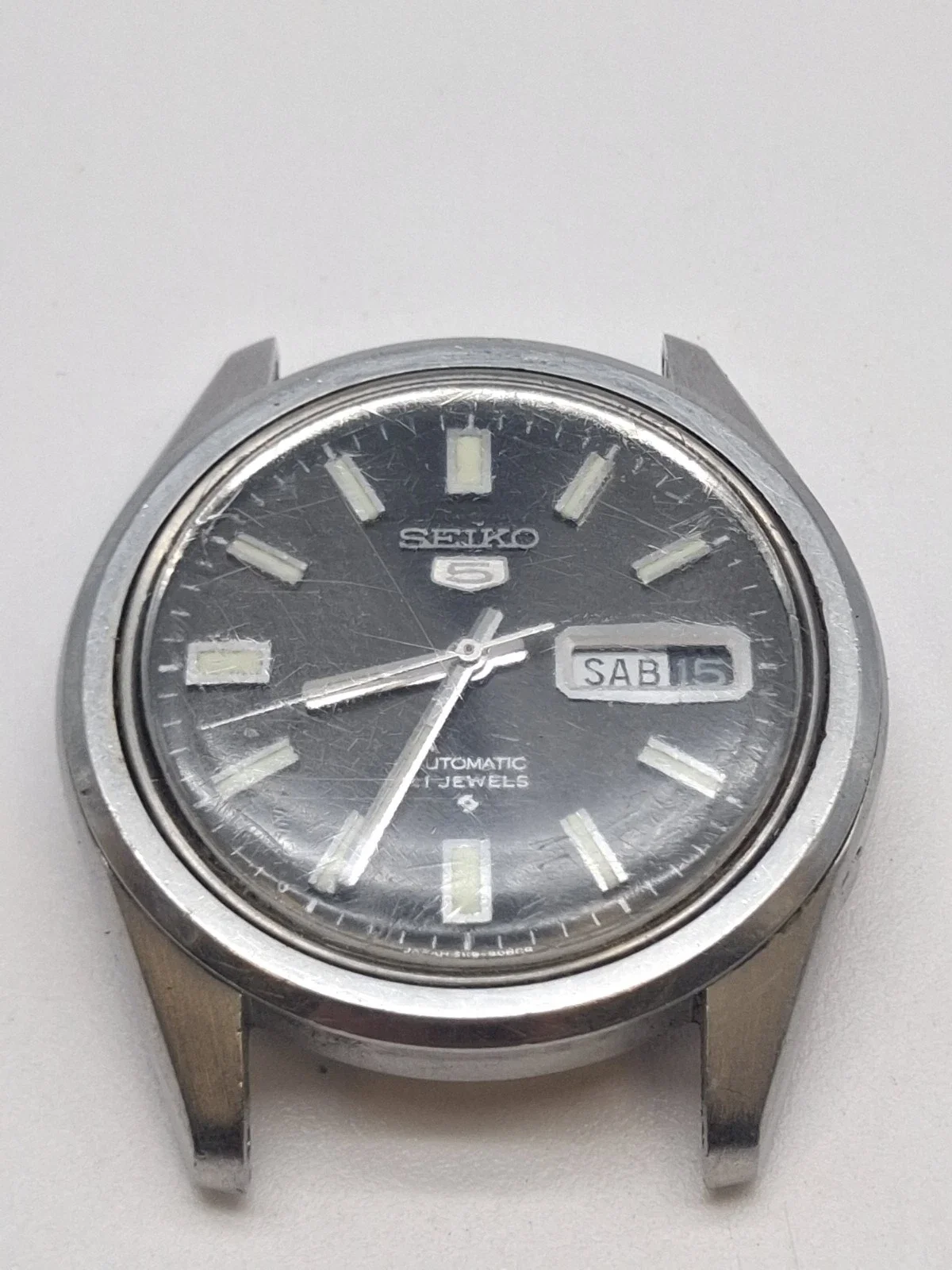
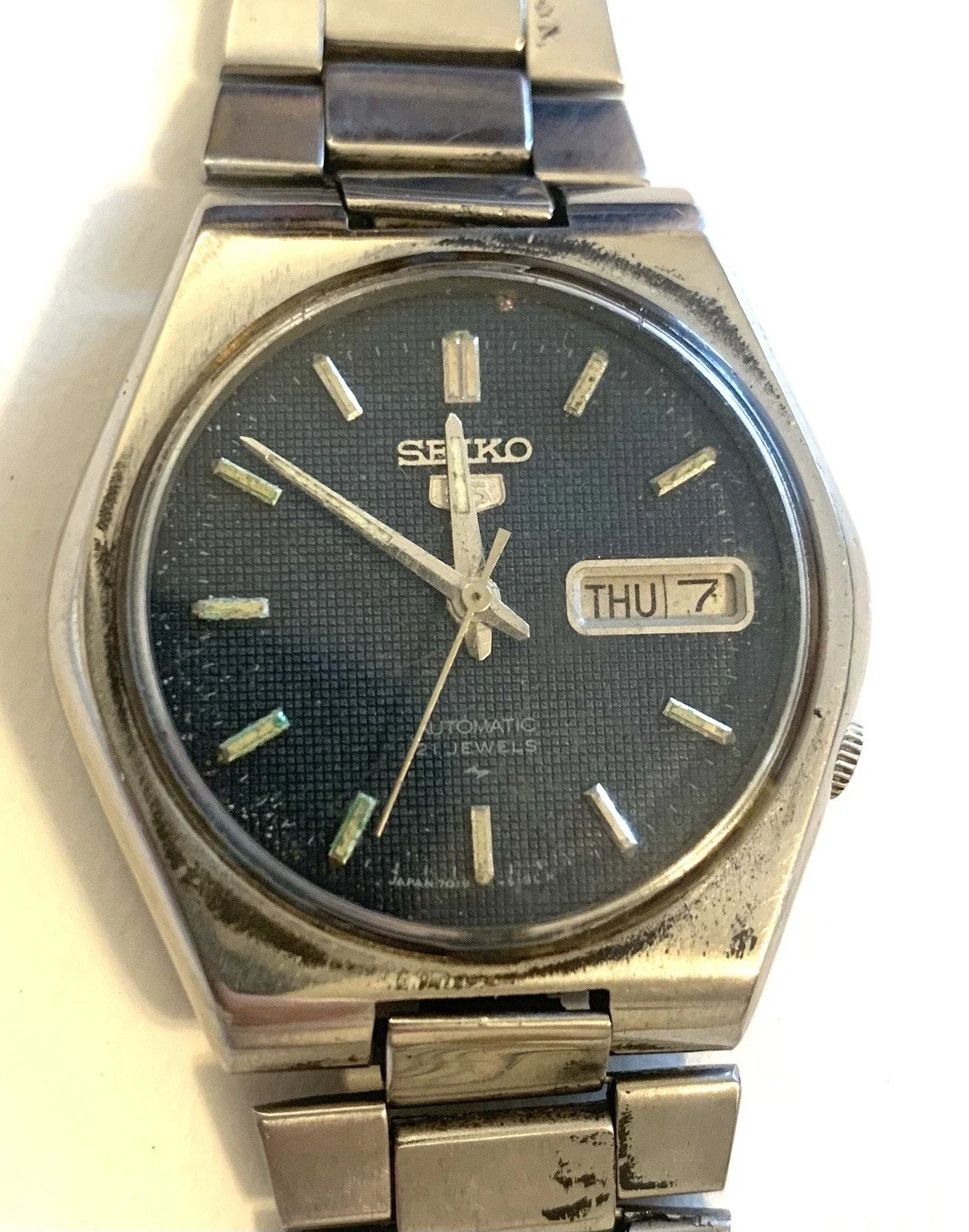
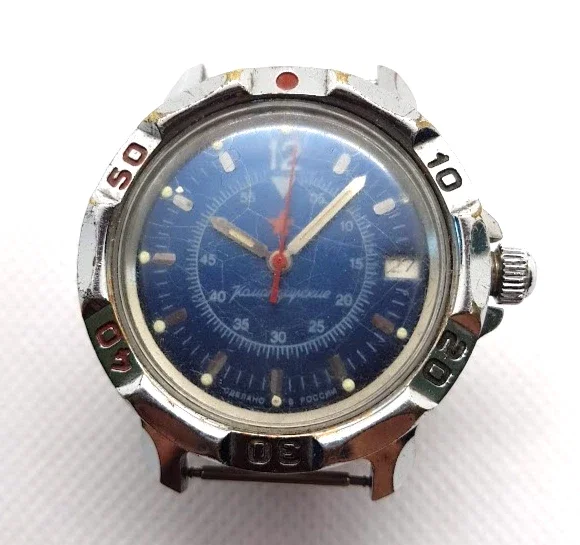
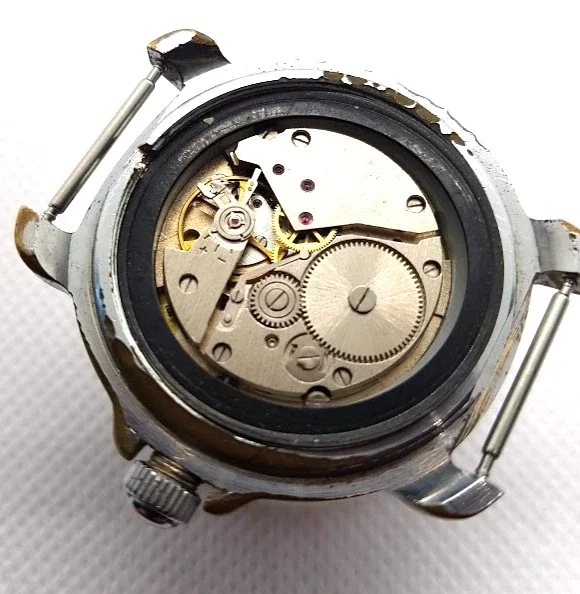
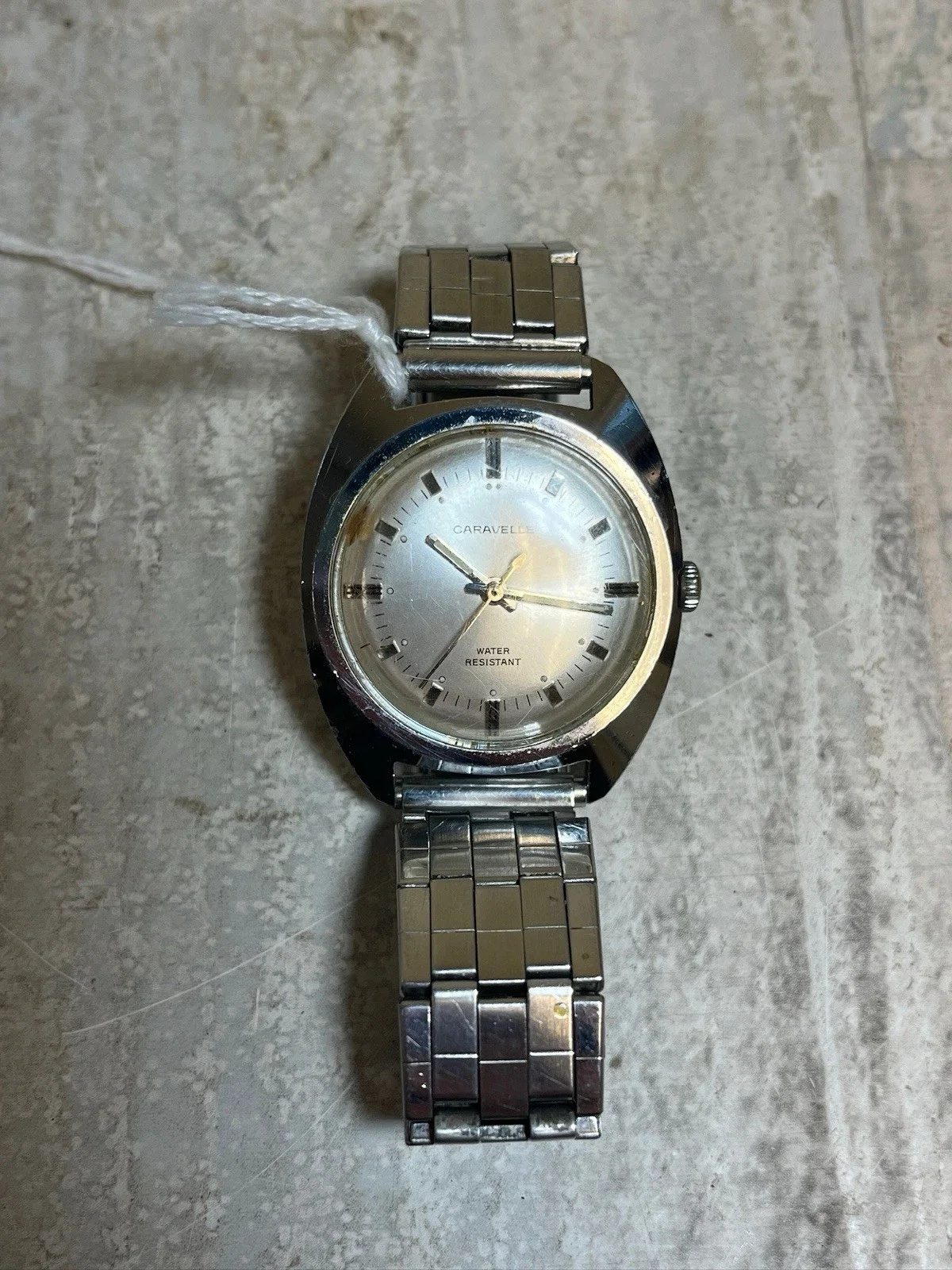
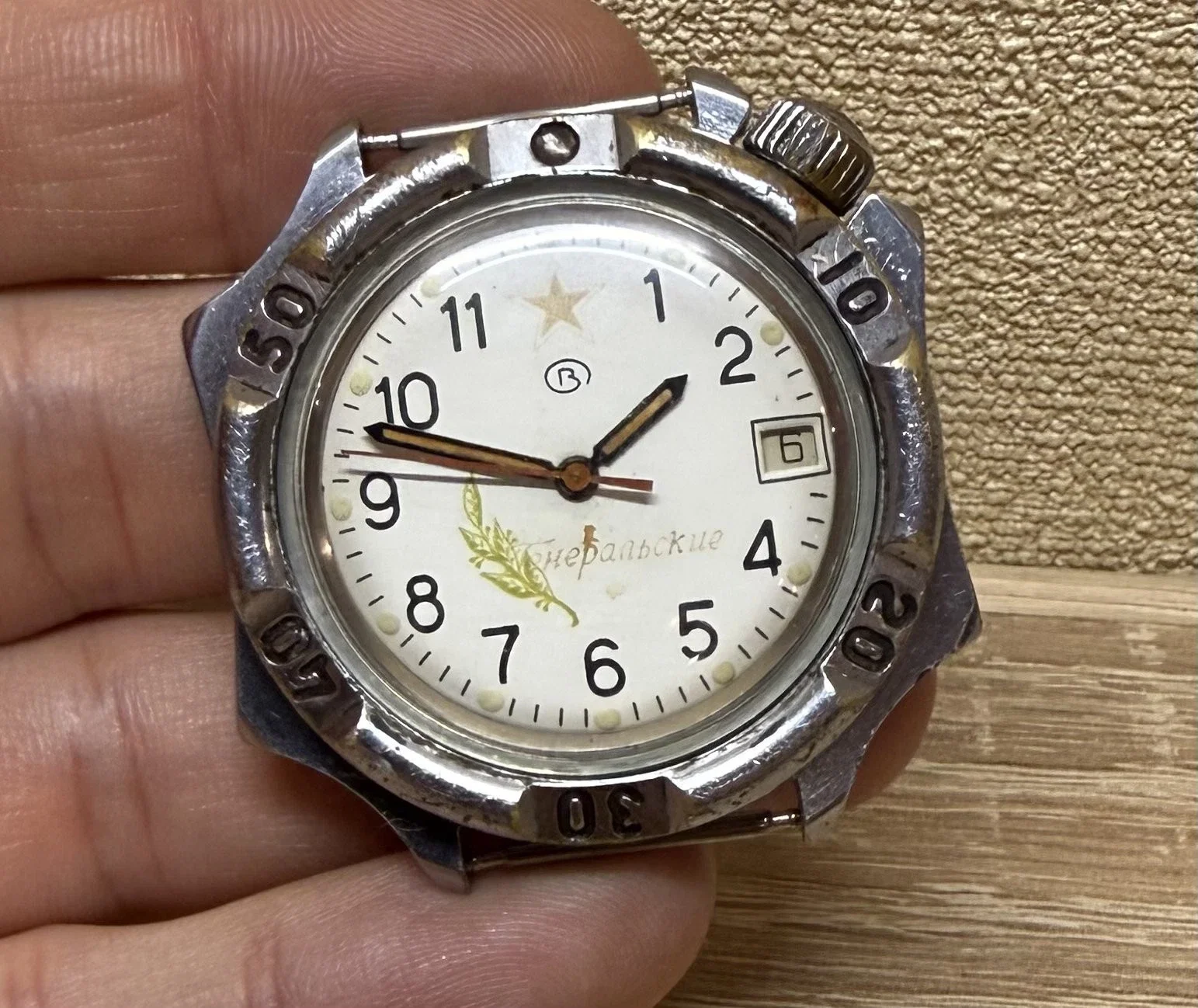
That is $573.48 in project watches before shipping and tax.
That format should paste cleanly into basically any blog editor.
Some of those purchases are clearly better than others.
That is part of the process too.
I’m learning which brands are worth chasing, which movements are easier to find parts for, which problems are manageable, and which listings should be avoided no matter how cheap they look.
Whatnot Taught Me to Be Careful
I also bought a number of watches and loose movements on Whatnot while I was looking for inexpensive practice material.
That experience was a little more mixed.
A few things were usable.
A lot of it ended up being junk.
That was a good lesson in how dangerous “cheap” can be when you are buying non-running movements.
A non-running movement can be a great learning tool if it is complete, reasonably clean, and has a problem you can actually diagnose.
But “non-running” can also mean missing parts, damaged pivots, broken hairsprings, stripped keyless works, rust, corrosion, bad balance staffs, broken mainsprings, or a movement that has already been picked over for parts.
And when you are buying quickly during a live auction, you usually do not get the same opportunity to study photos, research the caliber, or compare what is supposed to be there.
That makes it very easy to buy something that looks like a cheap project and turns out to be a box of problems.
I learned pretty quickly that a $10 movement is not cheap if it needs $40 worth of parts that are impossible to find.
So now I’m much more cautious.
If I’m buying a non-running movement, I want to know exactly why I’m buying it.
Is it for practice?
Is it a donor?
Is the balance intact?
Are the important parts present?
Can I actually get replacements?
Is the movement worth saving at all?
Cheap does not always mean good practice material.
Sometimes it just means someone else already gave up on it.
Buyer beware.
The One Thing That Has Been Kicking My Ass: Mainsprings
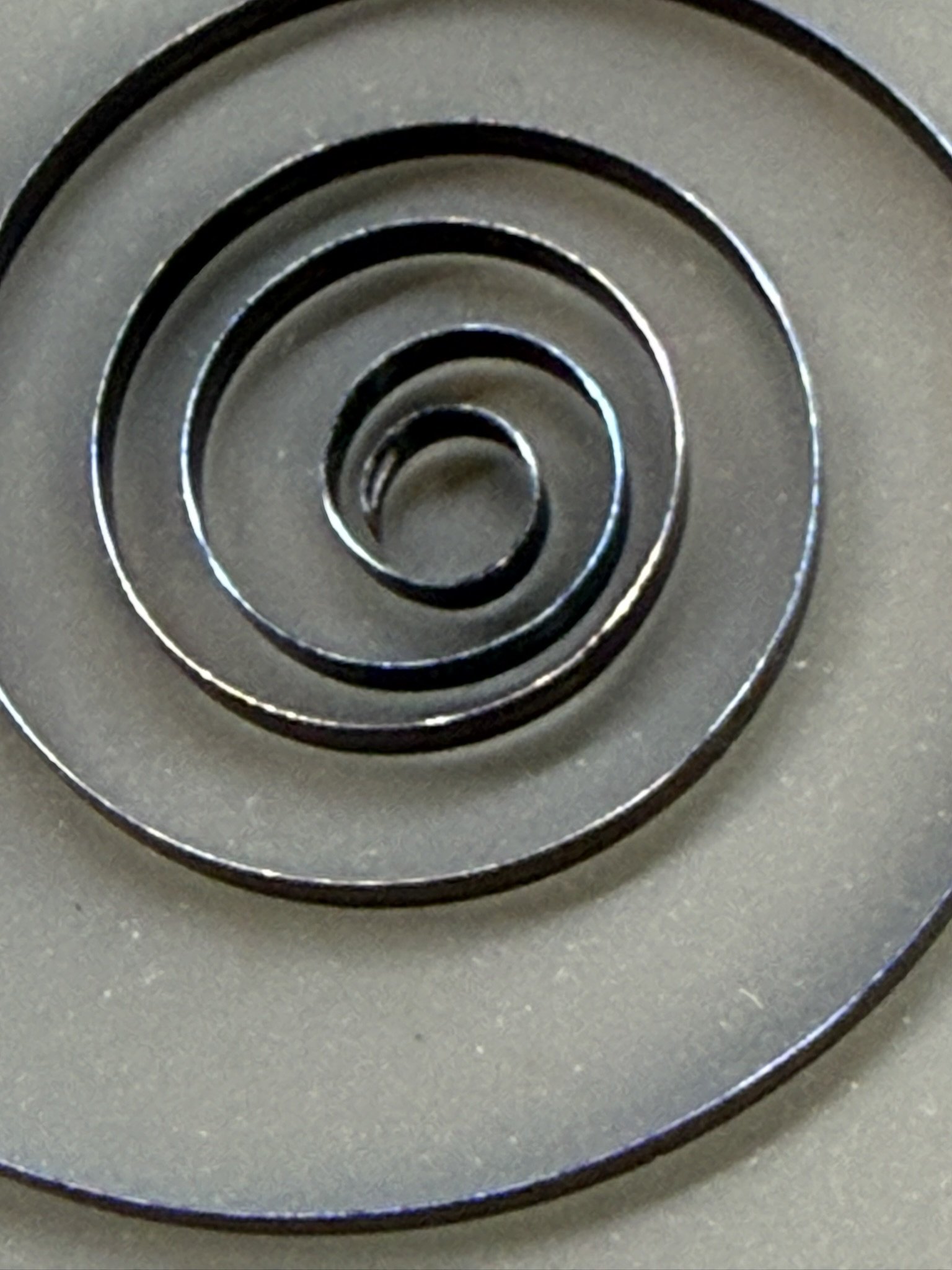
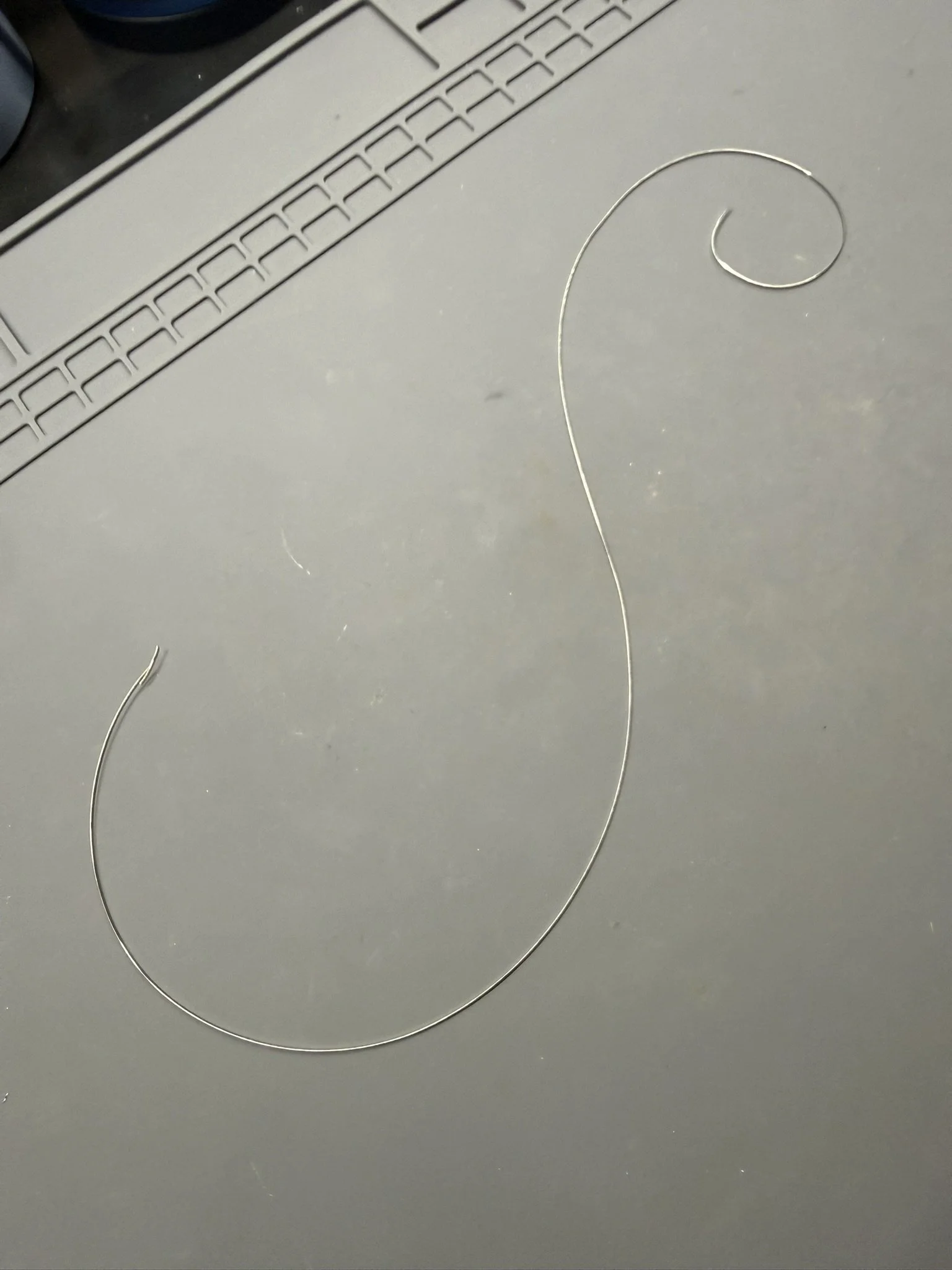
If there is one area that has caused me more frustration than anything else so far, it is mainsprings.
I feel pretty good about a lot of the rest of the process now.
I can tear down a manual-wind movement, keep track of the train, bridges, keyless works, balance, and escapement, clean the parts, and get things back together.
But once I open the barrel, everything changes.
Vintage mainsprings can be brittle, set, dirty, worn, or simply difficult to handle.
And I’ve damaged more than one while trying to remove, clean, wind, or reinstall it.
At this point, I’m starting to think that if I open the barrel on a lot of these vintage watches, I may simply plan on replacing the mainspring rather than trying to reuse a tired original one.
That may not be necessary on every watch, but on older movements it might actually be the smarter path.
If the old spring is already set, fatigued, or questionable, fighting it back into the barrel only to have it fail later does not make much sense.
So right now, the mainspring is still the one part of a full service where I feel like I have the least confidence.
Everything else is starting to feel manageable.
The barrel is still the part that makes me stare at the bench and wonder what new way I’m about to create a problem.
That is the next skill I need to get comfortable with.
Not Every Project Has Gone Well
There have definitely been failures.
I’ve damaged mainsprings while learning how to handle them.
I’ve bought watches that needed more work than expected.
I’ve opened movements and found problems that were not obvious in the listing.
I’ve dealt with missing crowns, bad stems, damaged hairsprings, incorrect movement spacers, corroded parts, and watches that technically ran but clearly needed much more than a quick cleanup.
That can be frustrating, but it is also where a lot of the learning happens.
A perfect watch does not teach you much about troubleshooting.
A broken one forces you to figure out what is actually wrong.
Learning What Is Worth Repairing
Another thing I’m starting to understand is that not every watch deserves a full restoration.
Some inexpensive watches are excellent training pieces but make no sense financially.
You can easily spend hours on a watch, buy parts for it, clean it, regulate it, and end up with something worth less than the total time and money you put into it.
That does not make it a bad project.
It just makes it a bad flip.
Other watches have enough history, collectability, or resale value that a proper service can make sense.
That is where I eventually want part of this to go.
Some watches will stay in my collection.
Some will become gifts.
Some will get serviced and sold.
And some will probably become donor movements or parts.
If I can eventually buy a non-running watch, properly diagnose it, service it, restore it, and sell it to someone who will actually wear it, that feels like a pretty good cycle.
Crystals Are Starting to Feel Routine
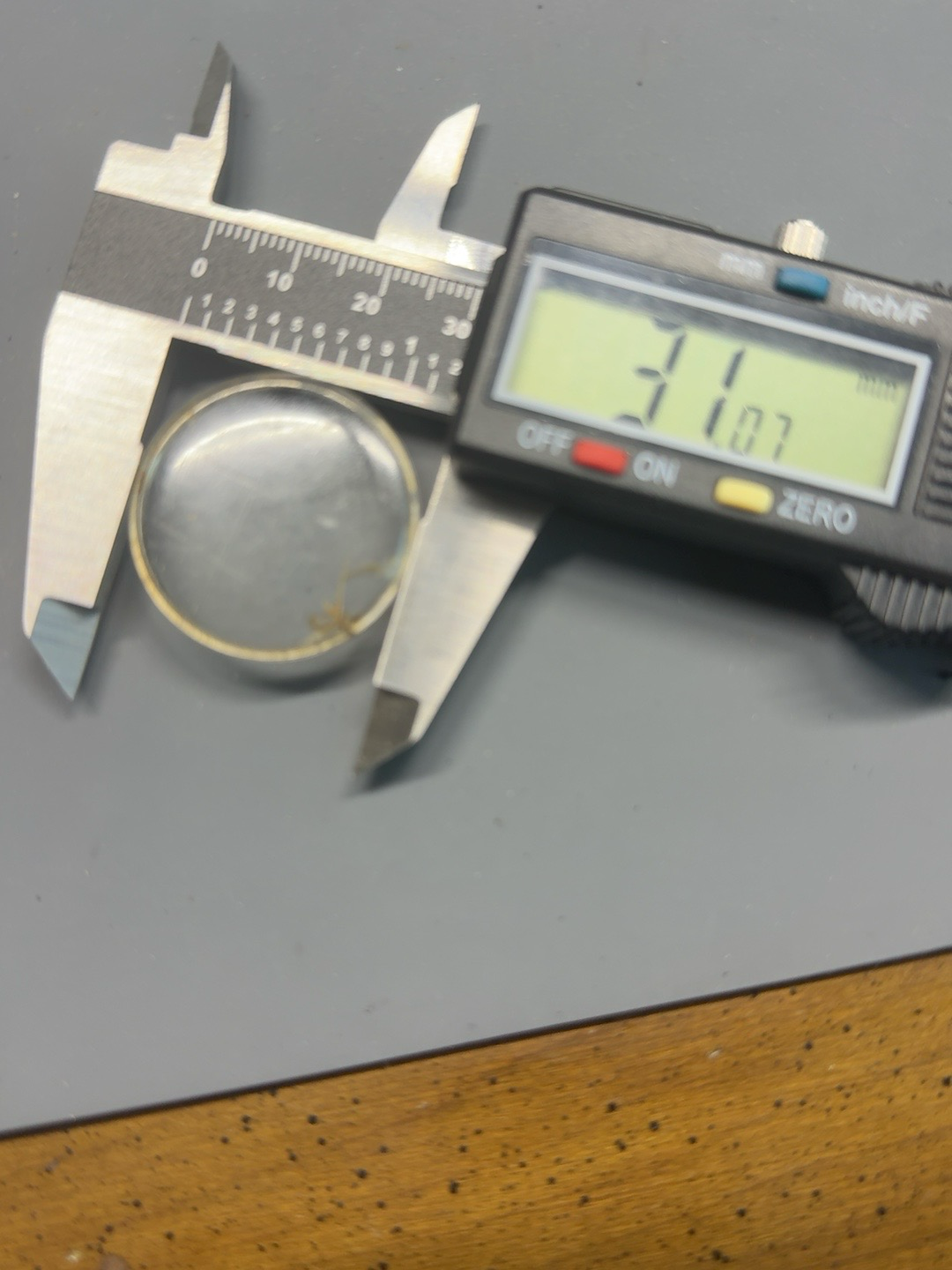
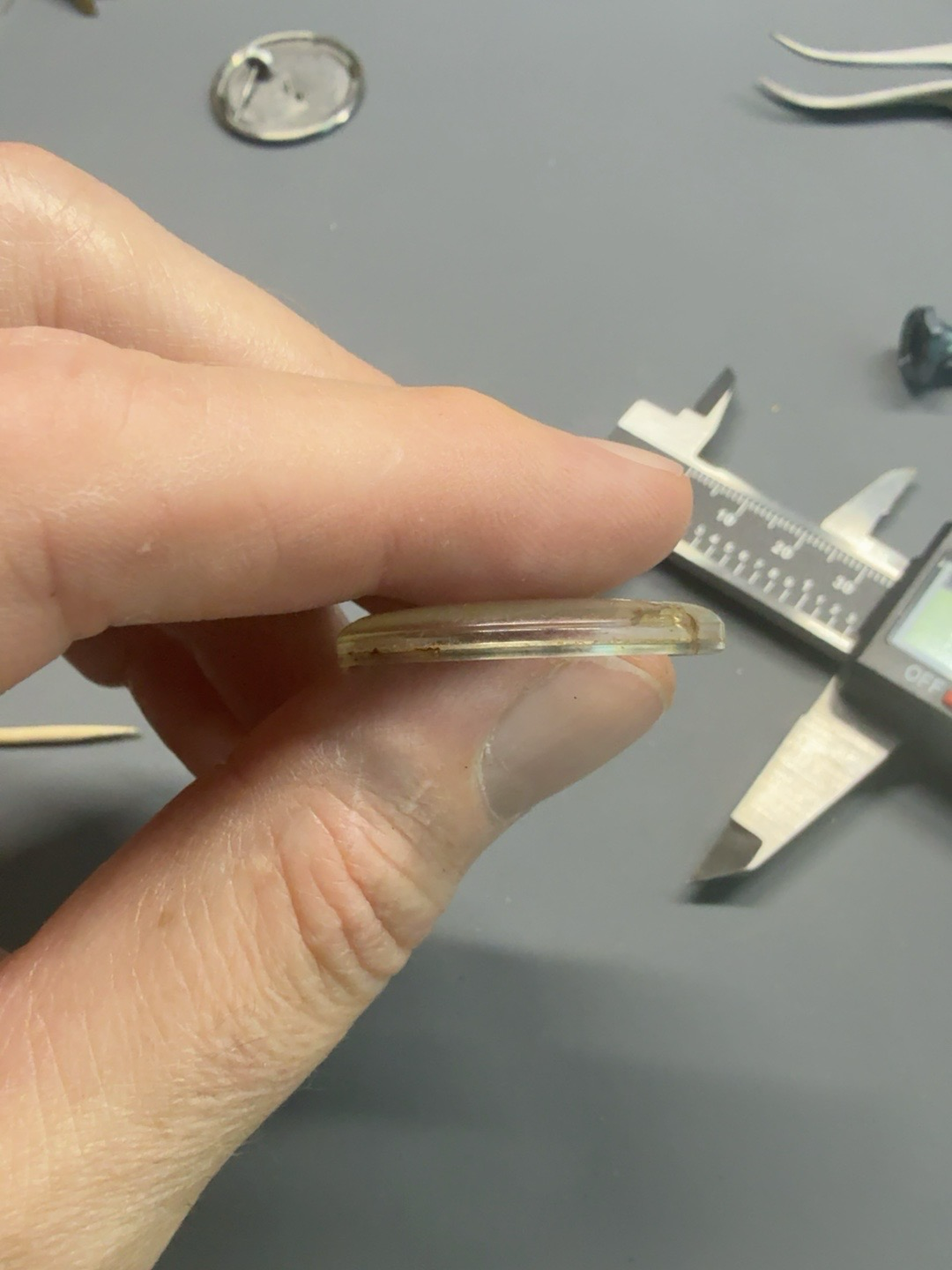
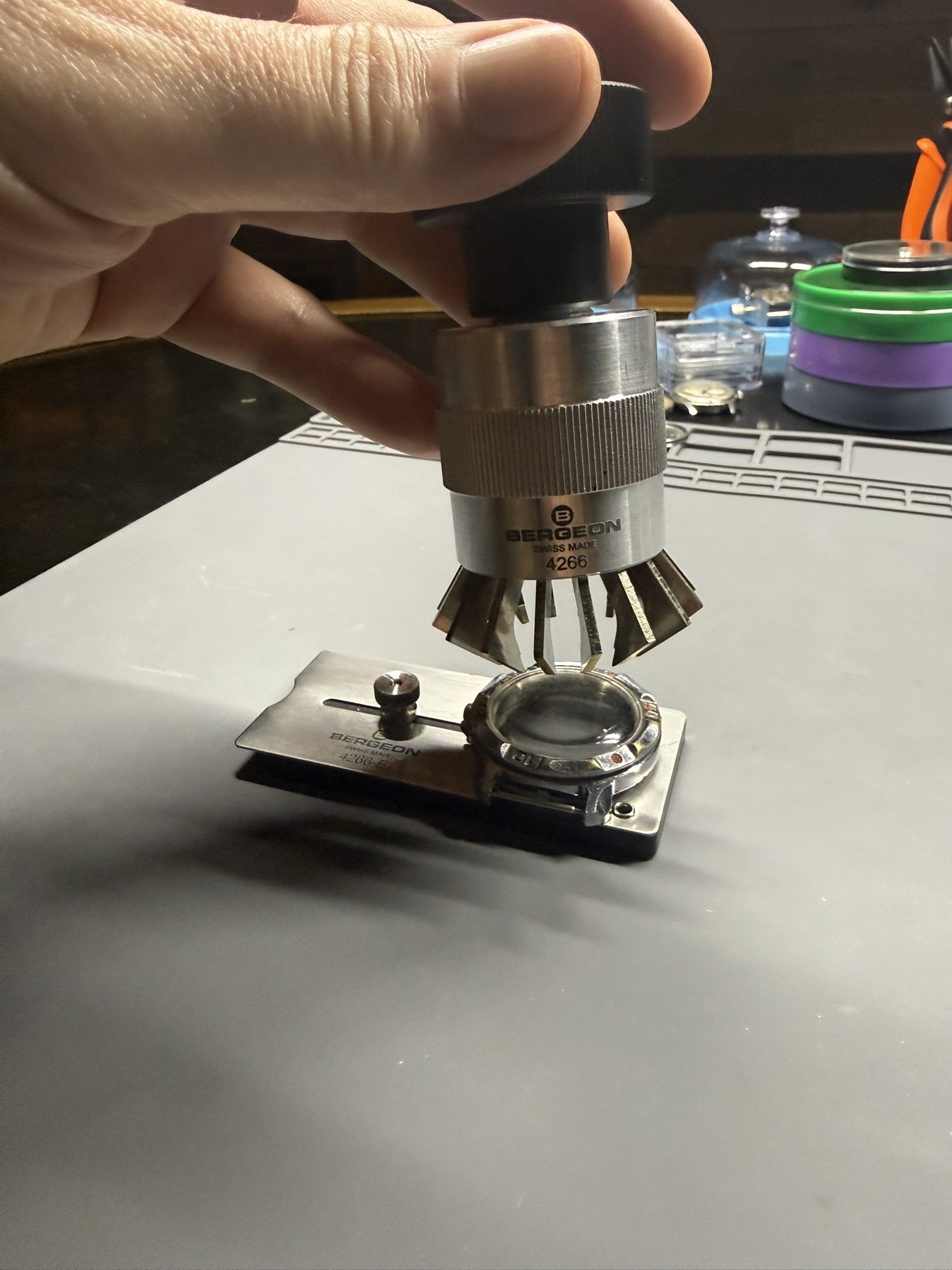
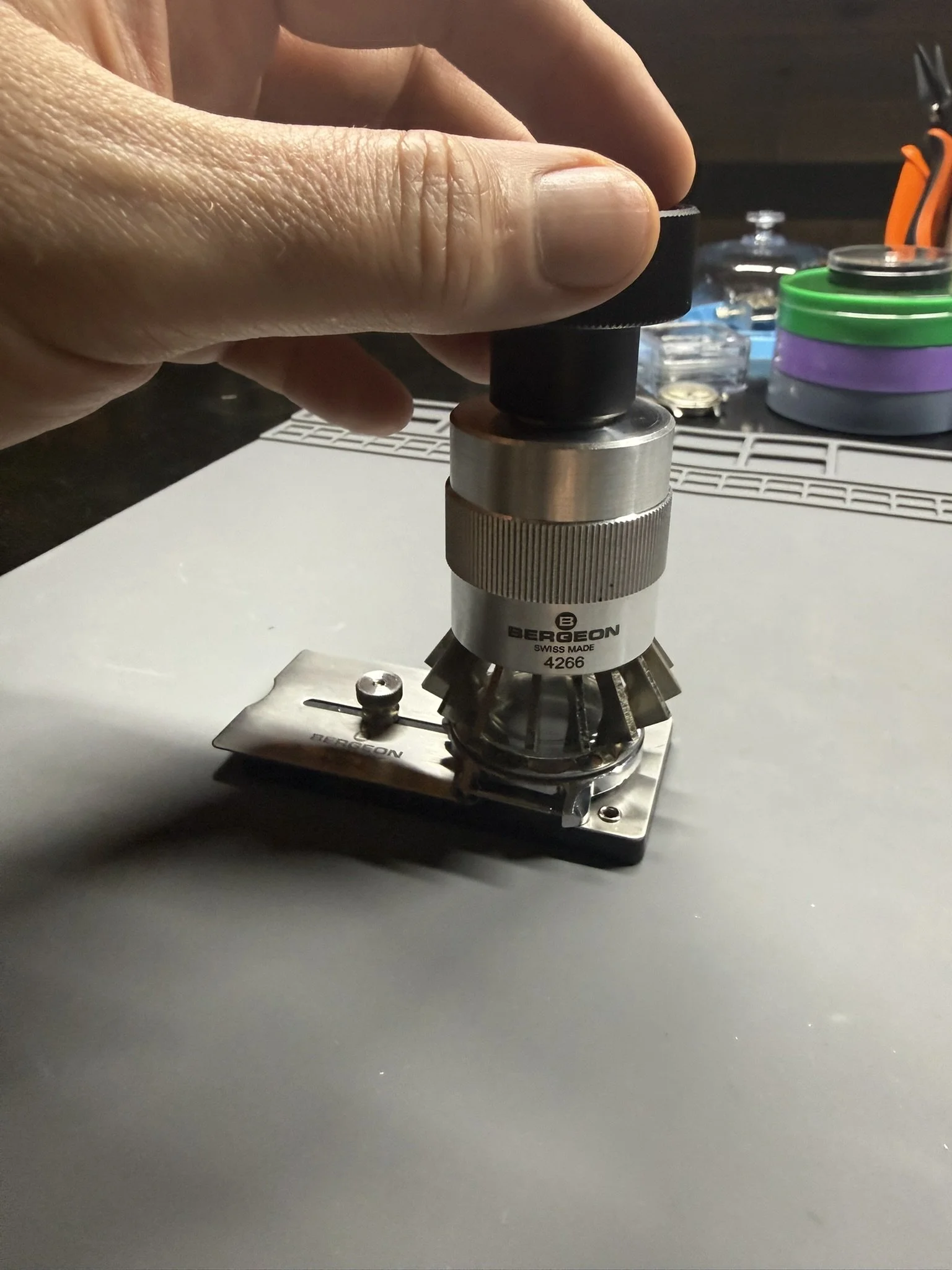
One area I’ve gotten much more comfortable with is crystal work.
At first, replacing or polishing a crystal felt like one more thing that could easily go wrong. Now it’s one of the parts of restoration I feel pretty confident handling.
Polishing acrylic crystals is surprisingly straightforward once you understand what you’re working with. Light scratches and haze can often be brought back dramatically, and even badly worn acrylic can sometimes be saved with a little patience.
When a crystal is too far gone, replacement is usually simple enough once the correct size and style are identified.
I’ve also gotten more comfortable removing and installing crystals, using the right tools, checking fit, and making sure everything is seated properly before the watch goes back together.
Compared with movement work, crystal restoration is starting to feel like one of the easier wins.
A scratched, cloudy crystal can make an otherwise decent vintage watch look terrible. Replacing or polishing it can completely change the appearance of the watch with relatively little risk.
That is one part of the restoration process I’m now confident I can handle consistently.
The Railroad Watch Projects
Two of the projects I’m especially excited about are railroad watches.
I have two friends who work as engineers for Union Pacific, and I’m working on separate railroad-watch projects for them.
That has pushed me into another part of watch history entirely.
Railroad watches were not just decorative pocket watches.
Accurate timekeeping was critical to railroad operations, and strict standards were eventually developed for watches used by railroad employees.
That means there is a real difference between an old pocket watch that simply looks like a railroad watch and one that was actually built to railroad standards.
I’ve been learning to look at movement grade, jewel count, adjustment positions, lever setting, dial style, movement markings, and whether a particular movement was actually railroad approved.
I do not want to hand someone an old pocket watch and call it a railroad watch just because it has a white dial and black numerals.
Part of the appeal is finding something that actually connects to the history.
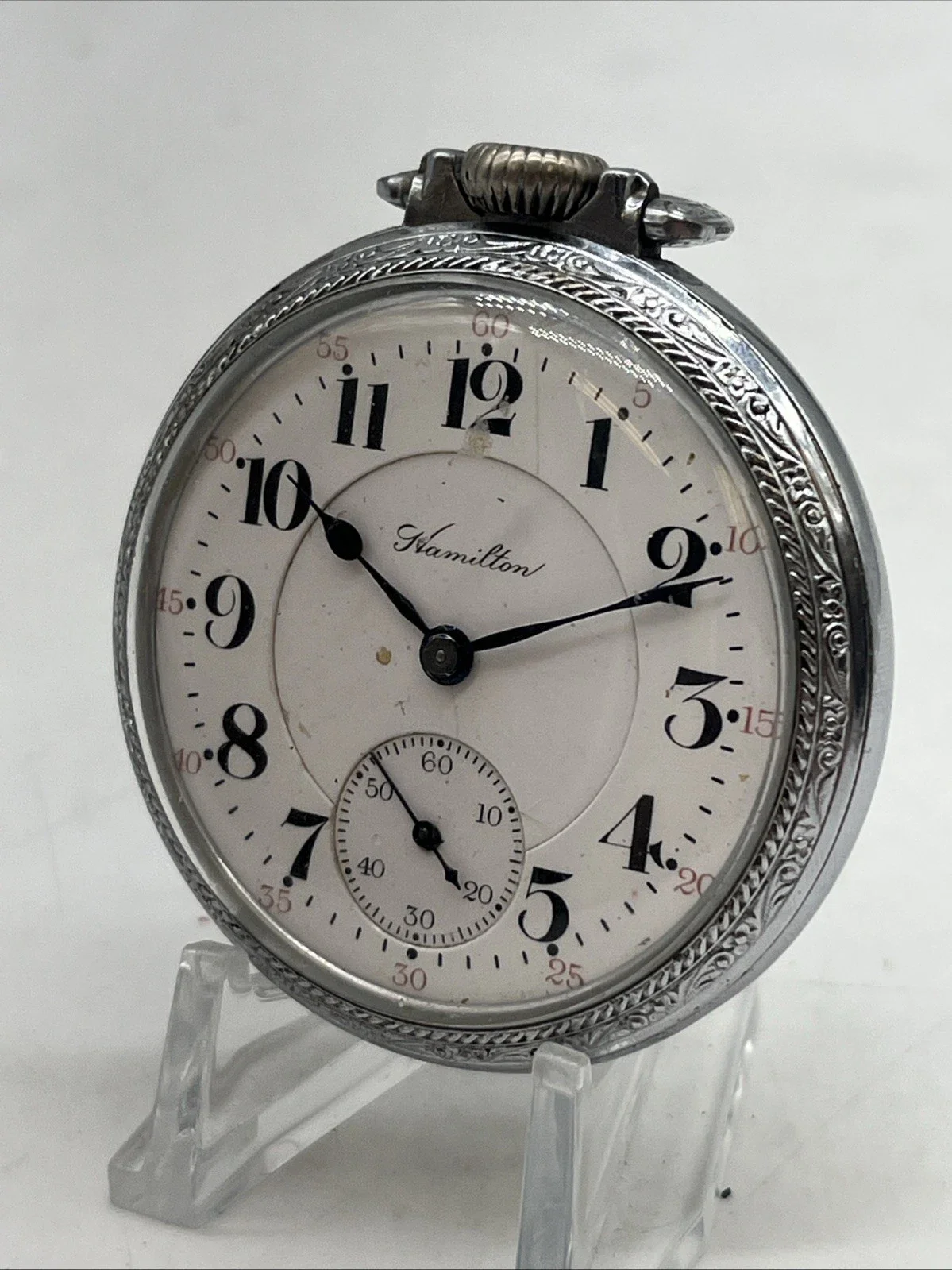
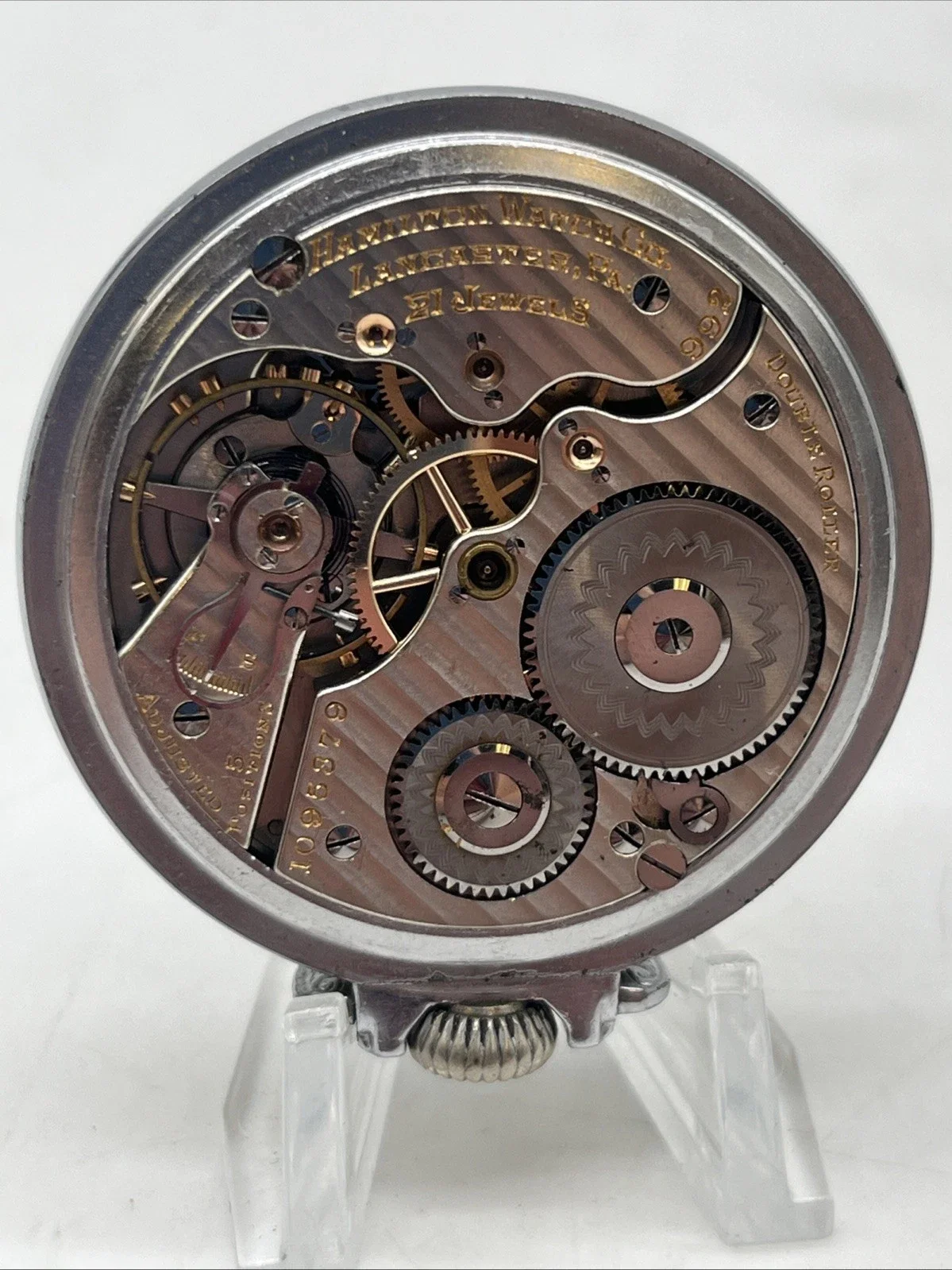
One of the biggest purchases so far is a 1914 Hamilton Grade 992 Model 2, a 16-size, 21-jewel pocket watch that I bought non-running for $131.50.
That one is especially interesting because it fits directly into the railroad-watch side of what I’m learning.
The 1894 Hampden No. 69 is another older pocket-watch project that has helped push me further into researching movement grades, railroad standards, and the difference between a cool old pocket watch and a historically significant railroad watch.
Because both finished projects are intended for Union Pacific engineers, they mean a little more to me than a normal restoration.
eBay Has Become Part Classroom, Part Treasure Hunt
At this point, searching eBay has become part of my watchmaking education.
Every listing makes me ask questions.
What movement is this?
What caliber?
Are parts available?
Is that rust or just dirt?
Is the hairspring damaged?
Is the crown missing?
Is the movement complete?
Is the case original?
Is this actually railroad grade?
Is the seller asking $150 for something that will still only be worth $80 after I spend another $100 fixing it?
The more I search, the more I realize that learning to buy projects is its own skill.
Sometimes the best purchase is the one I decide not to make.
That may be one of the most useful lessons I’ve learned so far.
Next Up: Automatics
So far, a lot of my learning has centered around 17-jewel and 21-jewel manual-wind movements.
That has been intentional.
They are simpler, easier to understand, and a good way to learn the fundamentals.
But I do not want to stay there forever.
The next step is some of the automatics I’ve already bought.
The Seiko 5s and other automatic movements are going to add another layer of complexity, but that is exactly what I want.
I want to understand automatic winding systems the same way I am starting to understand manual-wind movements.
I want to know what each additional part is doing, how the rotor transfers energy, where the common failures are, and how much more difficult it is to service one properly.
I’m sure I’ll make mistakes.
That seems to be part of the process.
But I’m finally getting to the point where the mistakes feel less like random disasters and more like problems I can diagnose and fix.
That is progress.
Where I Want This to Go
Eventually I want to be comfortable taking a vintage mechanical watch from unknown condition all the way through diagnosis, disassembly, cleaning, lubrication, reassembly, regulation, casing, and final testing.
I’m not there yet.
But I’m getting closer.
These projects are giving me something completely different from building watches from new parts.
They force me to troubleshoot.
They force me to understand why something is not working instead of simply replacing it.
And they are teaching me that every old watch has its own set of problems.
Some will get restored and sold.
Some will stay in my collection.
Some will become gifts.
Some will become parts.
And a few will probably teach me an expensive lesson.
That is all part of the process.