
Building My Watchmaking Workbench: Where GÜNTHER Started Getting Hands-On
Building the Workspace
Before I could start learning watchmaking, I needed somewhere to actually do it.
I wanted GÜNTHER to be more than a brand built from drawings and supplier catalogs. If I'm going to make decisions about movements, cases, hands, crowns and serviceability, I want to understand how those parts actually work together.
That started with the bench.
Starting With the Bench
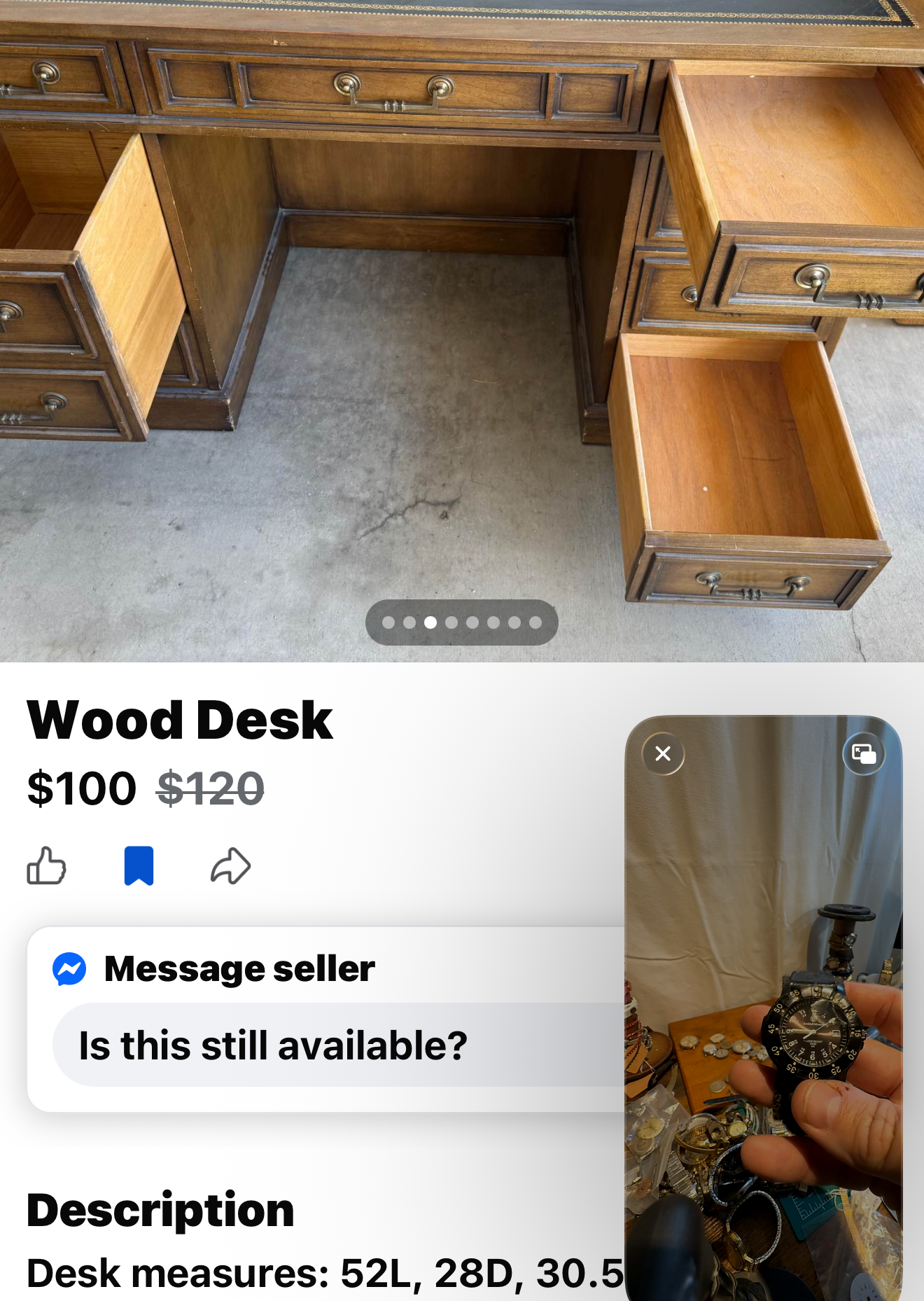
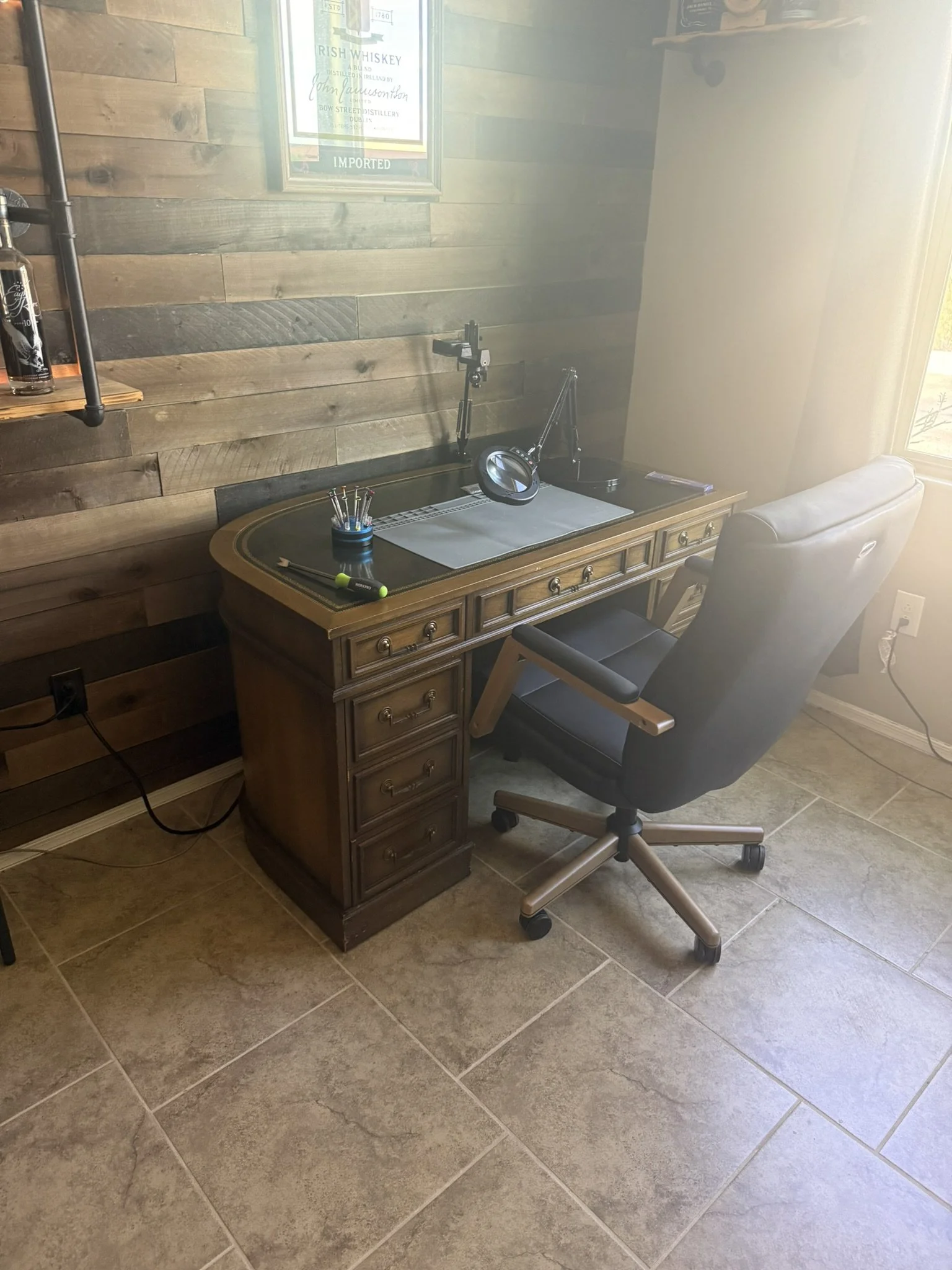
I found a large workbench locally through Facebook Marketplace.
It gave me enough space for movements, tools, parts and cleaning equipment without trying to do precision work at the kitchen table.
It sat a little lower than I wanted, which quickly taught me that ergonomics matter when you're spending hours leaning over tiny components.
Lighting and Setup
Normal room lighting wasn't enough.
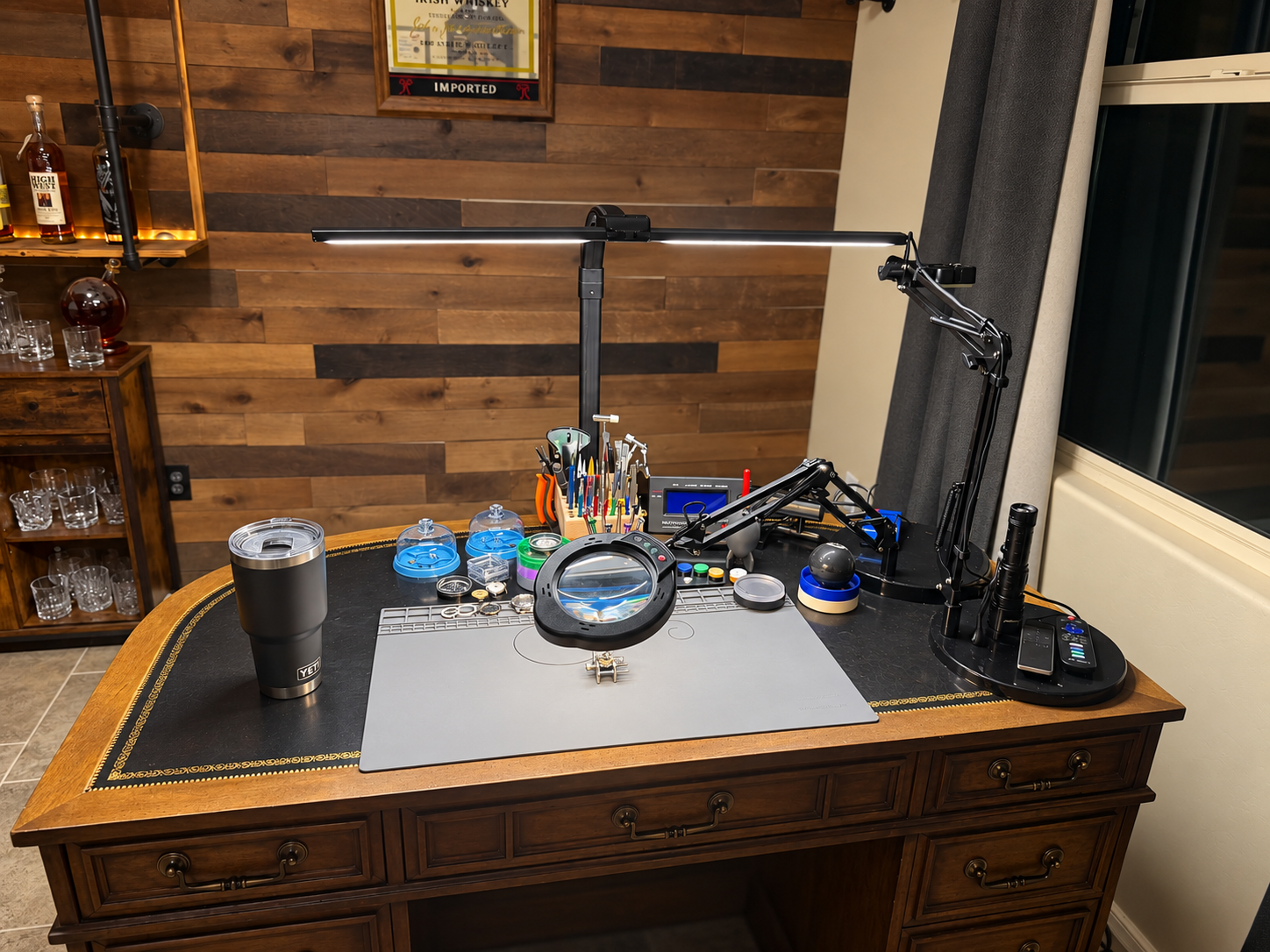
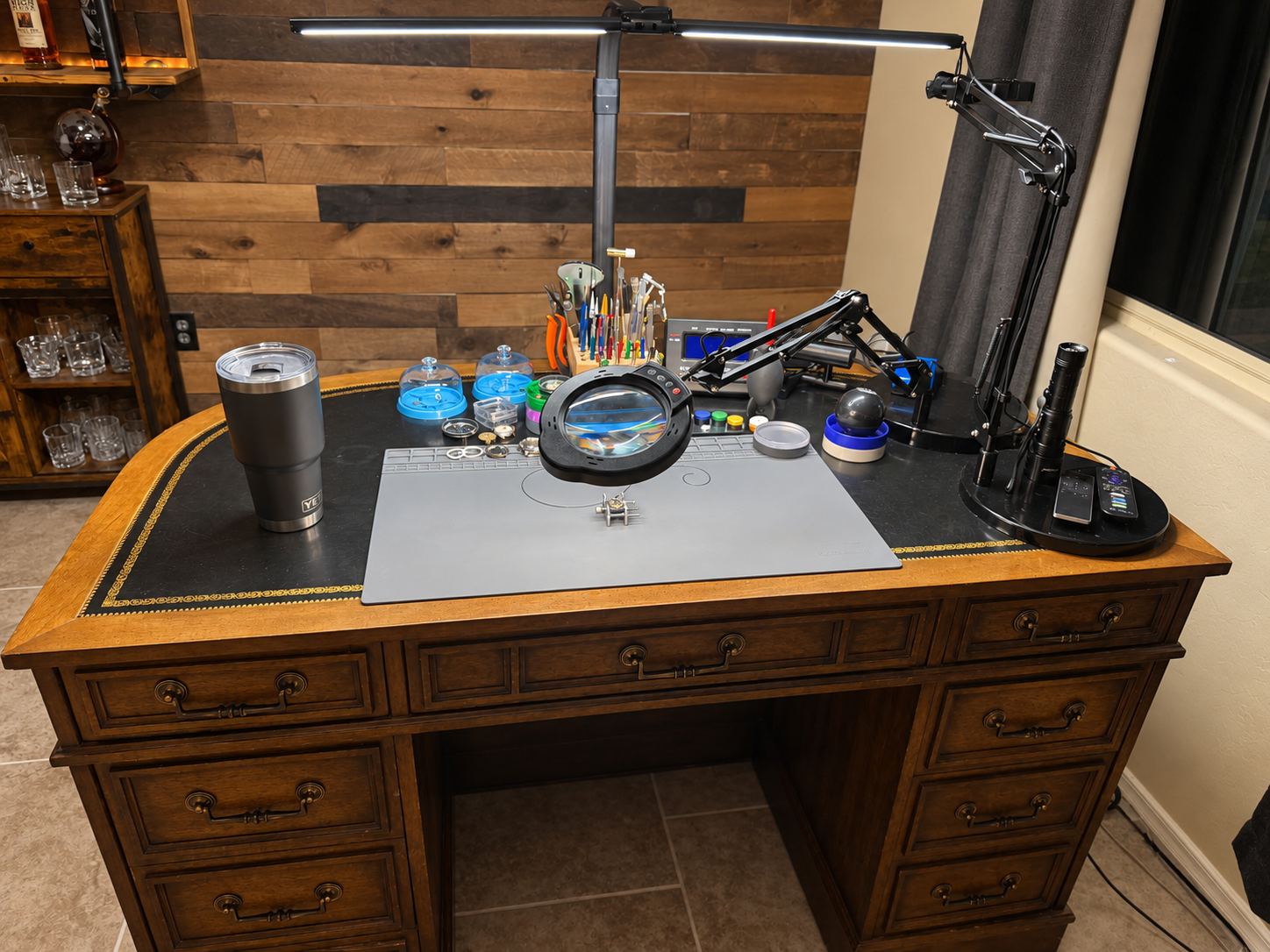
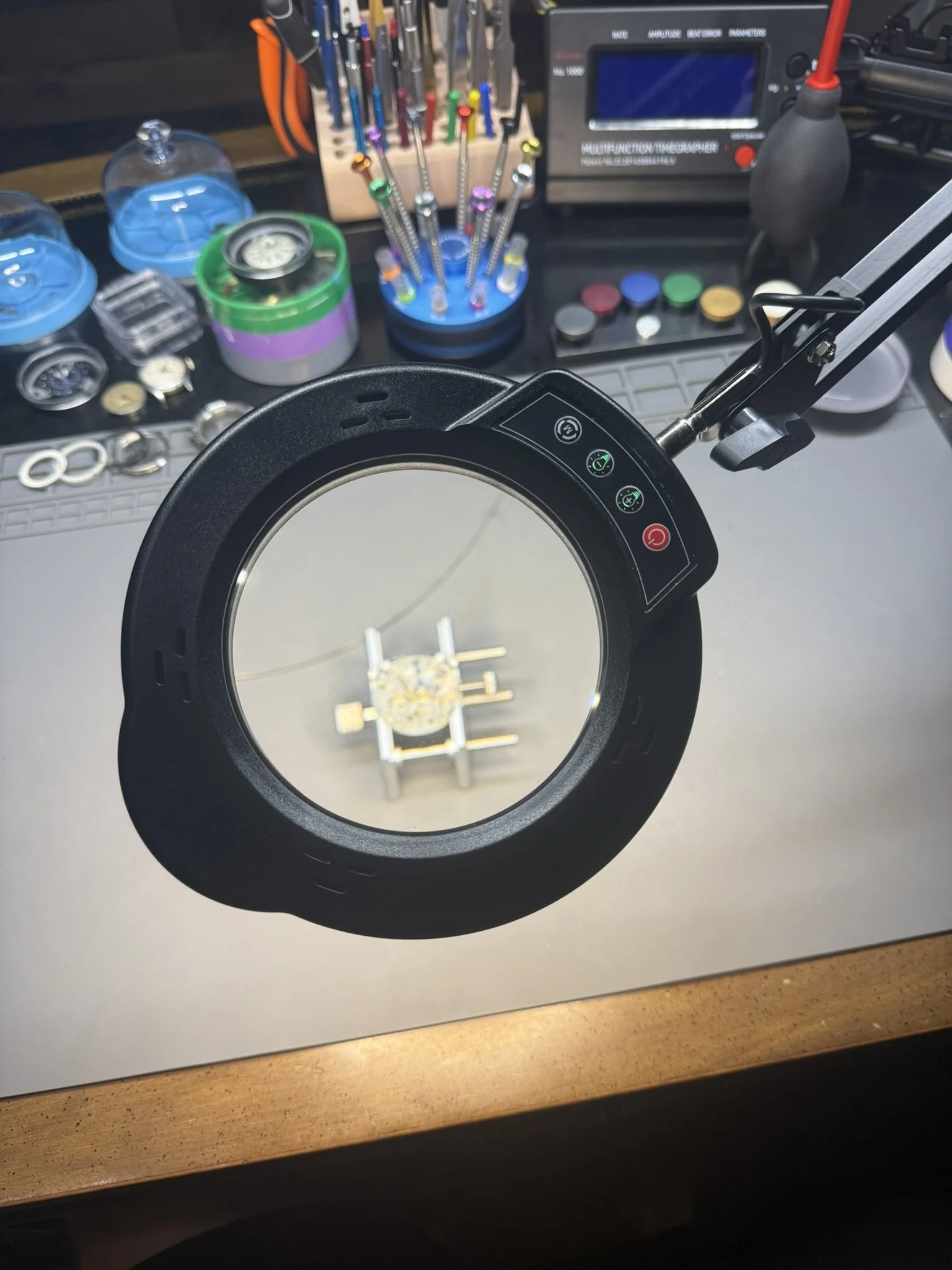
I added dedicated LED lighting and started improving the area above the bench so I could get bright, even light without constantly working in shadows.
I also wanted the space to look intentional, not temporary, so the shelf and workspace followed the same wood-and-black-metal style I like elsewhere.
Buying the Tools
Then came the tools.
I started ordering from Esslinger, Amazon, eBay and other sources.
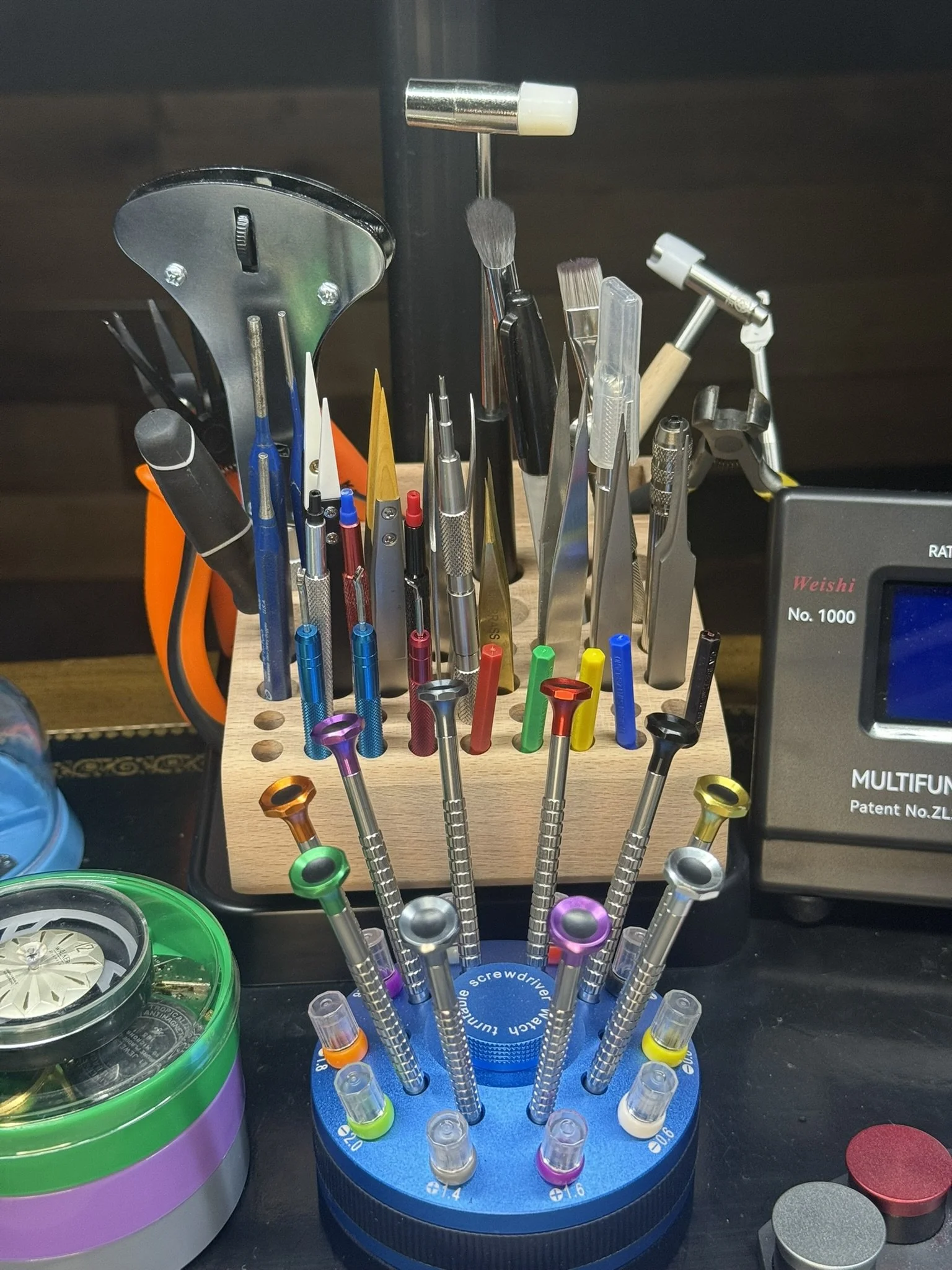
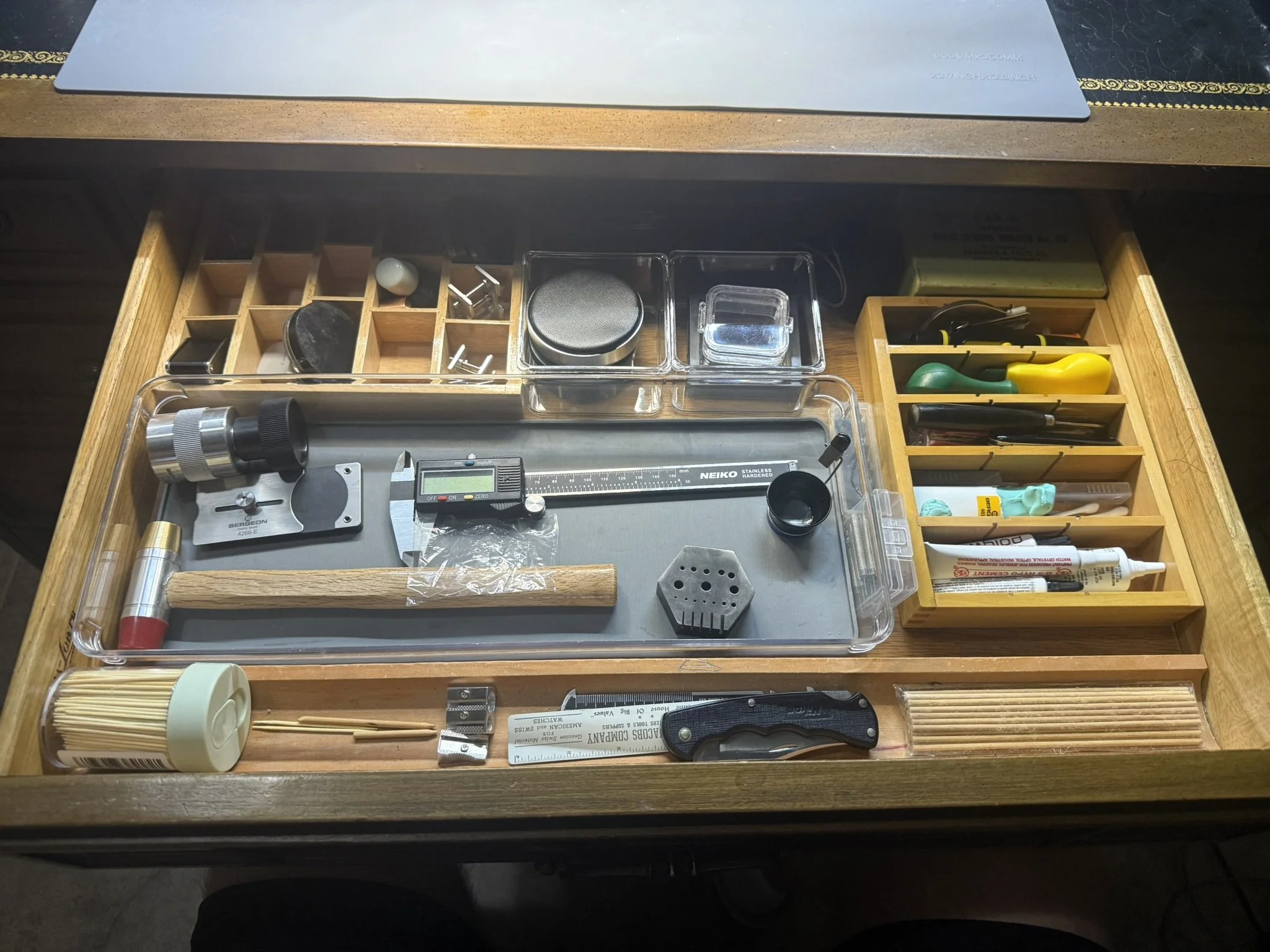
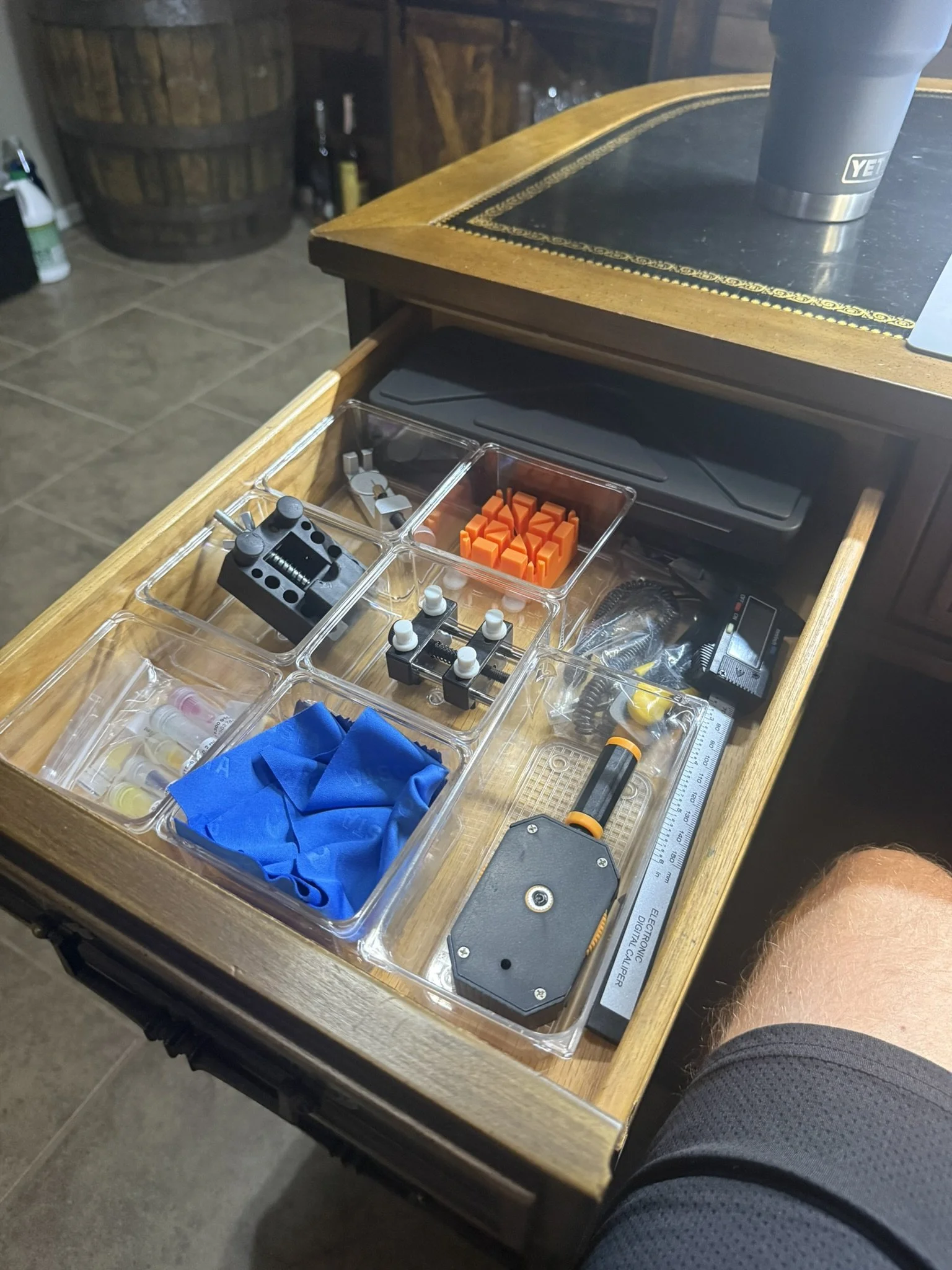
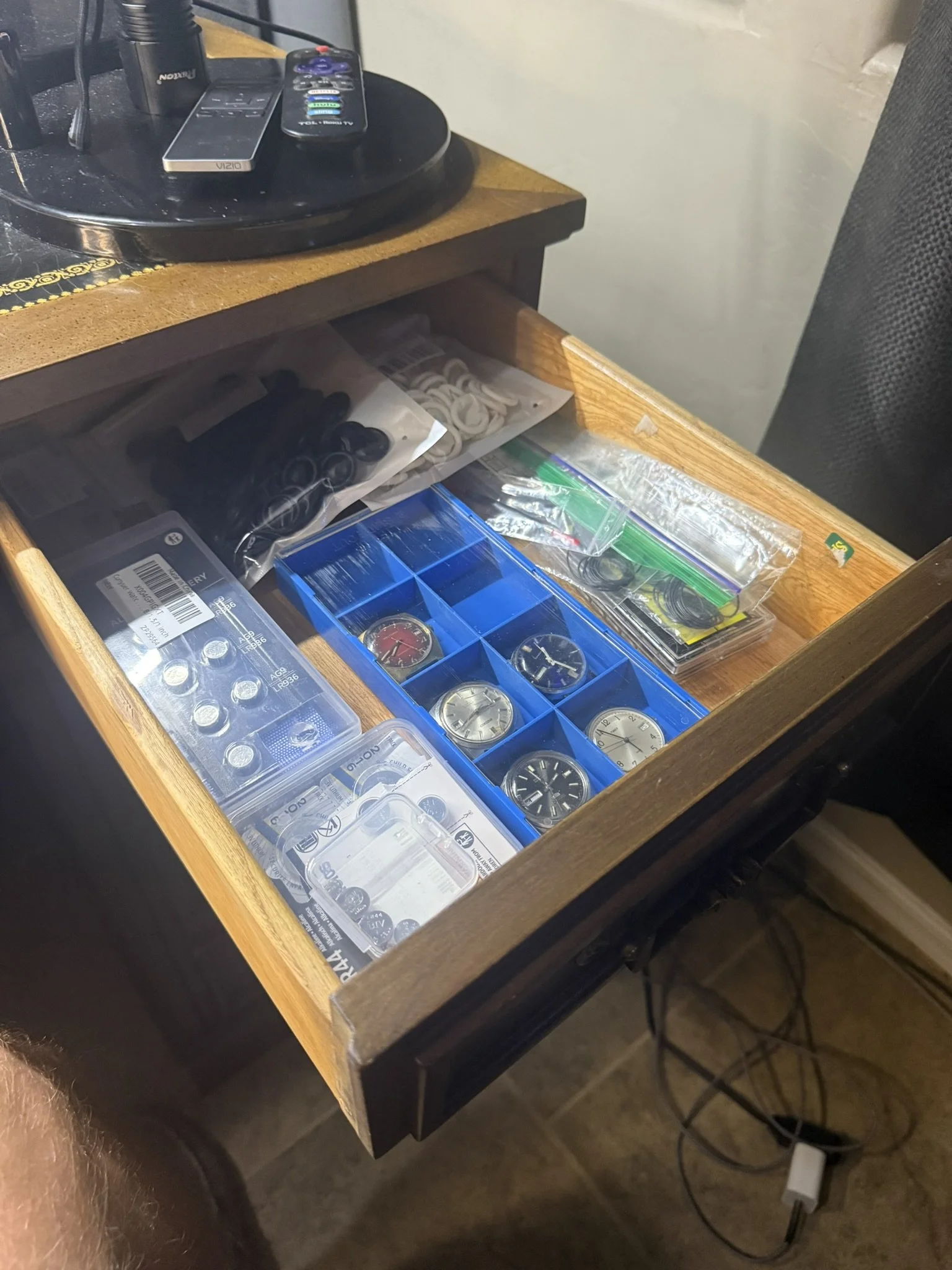
The early setup included screwdrivers, tweezers, movement holders, case holders, spring-bar tools, case-opening tools, punches and a small mallet.
As I started working on watches, the list grew quickly.
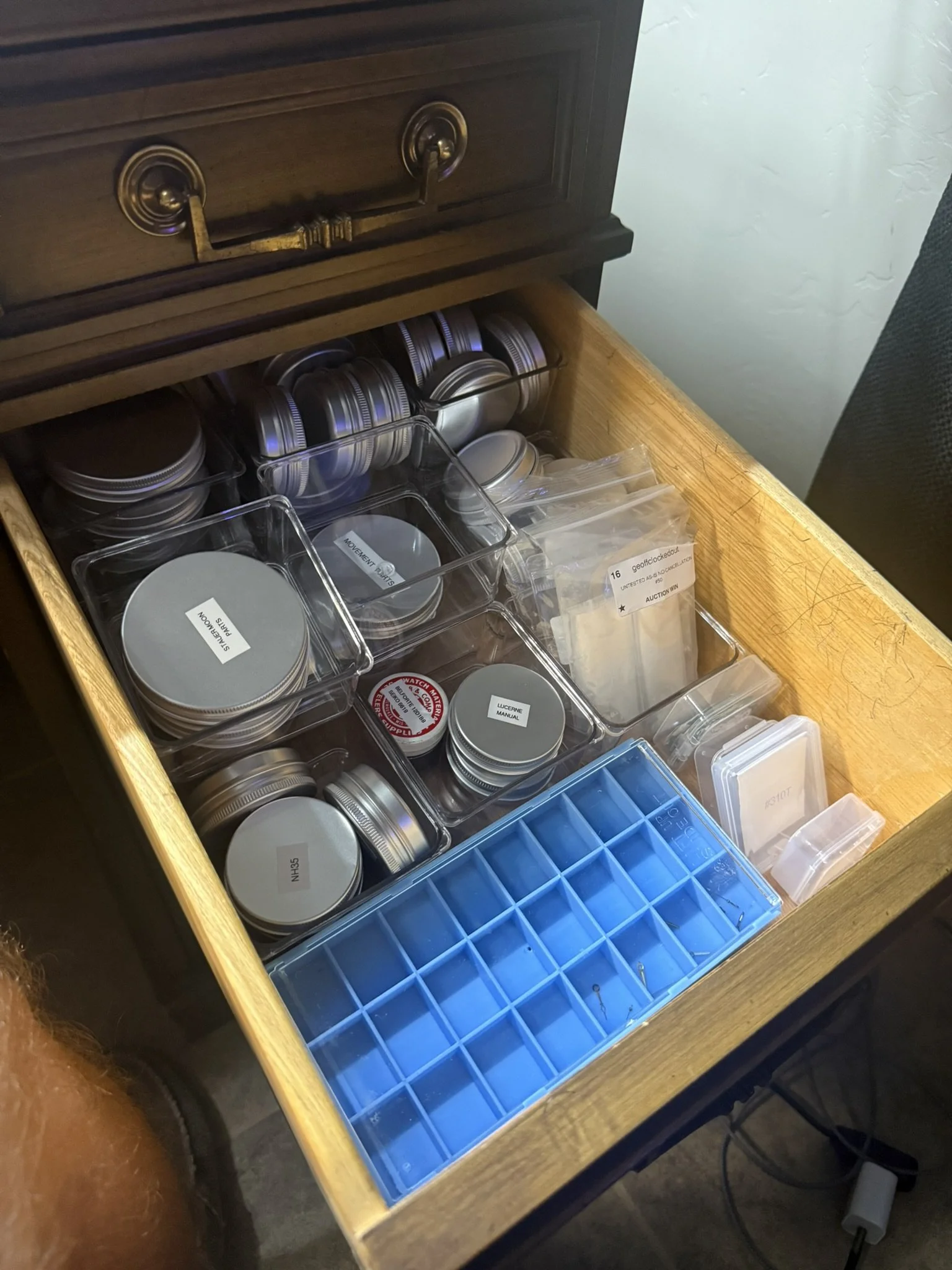
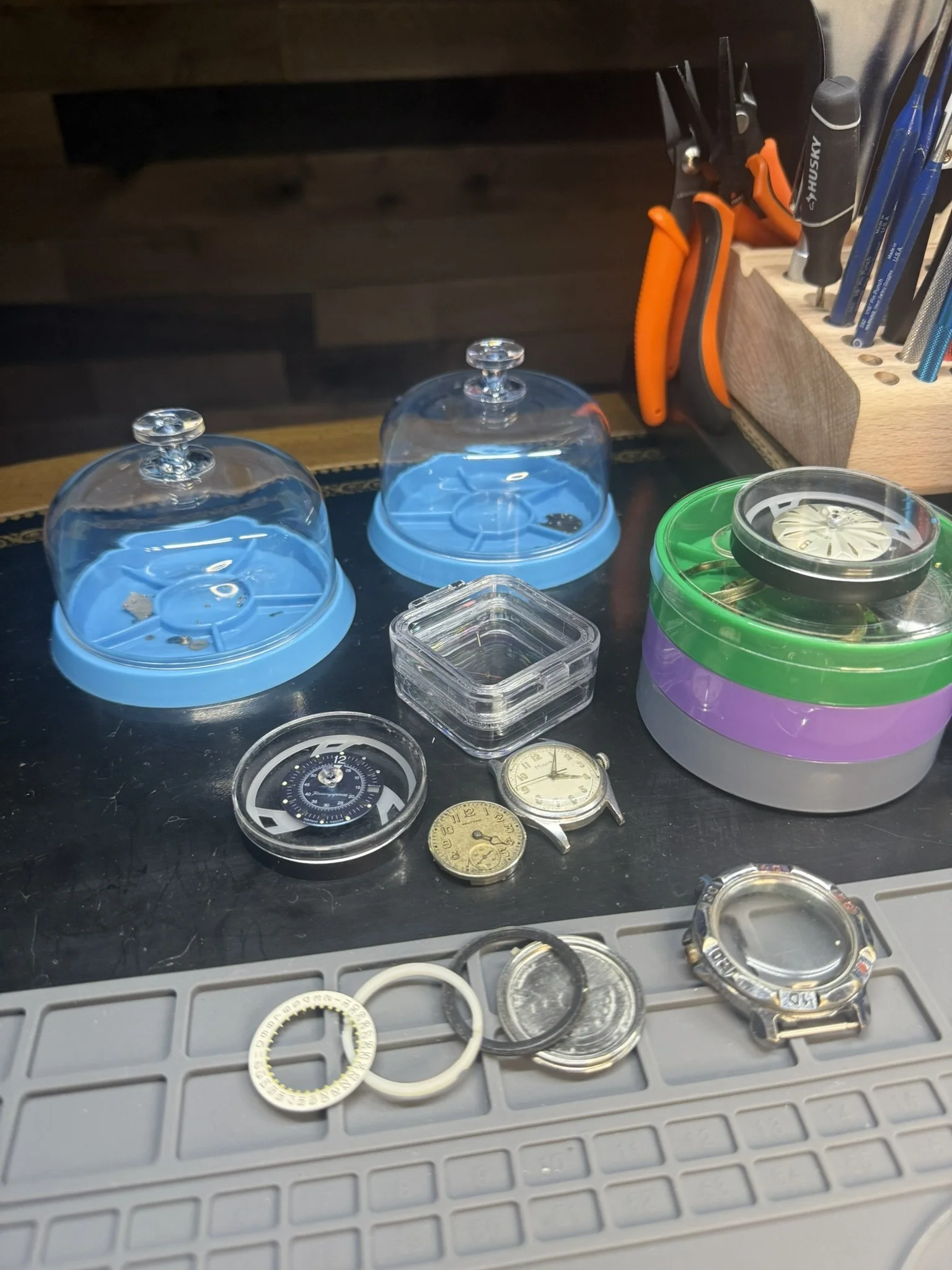
I added a hand-setting press, case press, demagnetizer, timegrapher, better movement holders, dust covers, Rodico, pegwood and more specialized tools.
Every new project seemed to reveal one more thing I didn't know I needed.
Measuring Instead of Guessing
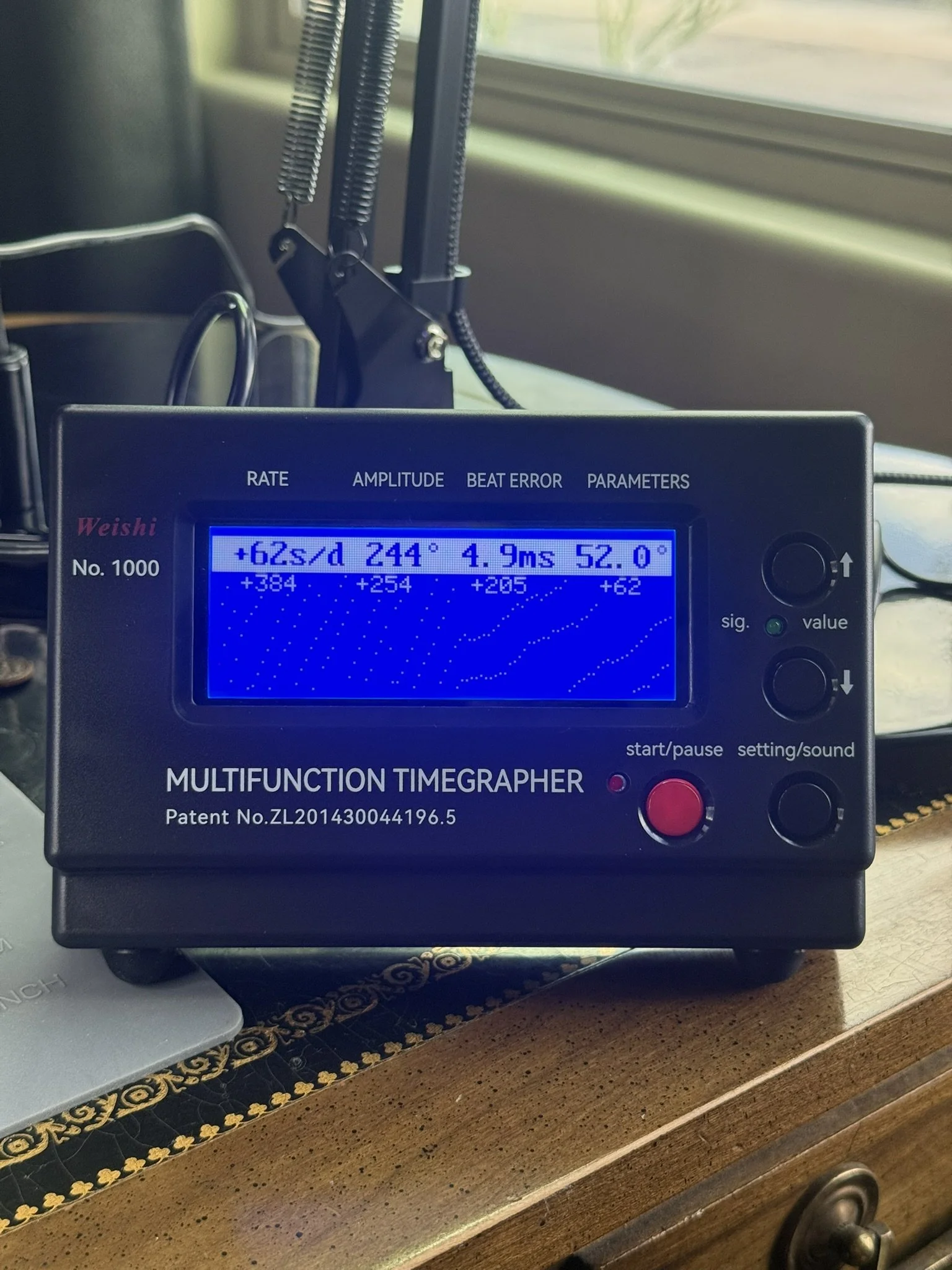
The timegrapher was one of the most useful additions.
Instead of deciding that a watch simply "seemed to be running well," I could measure rate, amplitude and beat error.
That matters to me because eventually I want GÜNTHER watches to be evaluated with actual measurements, not just a quick visual inspection.
A Tool That Didn’t Make the Cut
Not every tool I bought worked out.
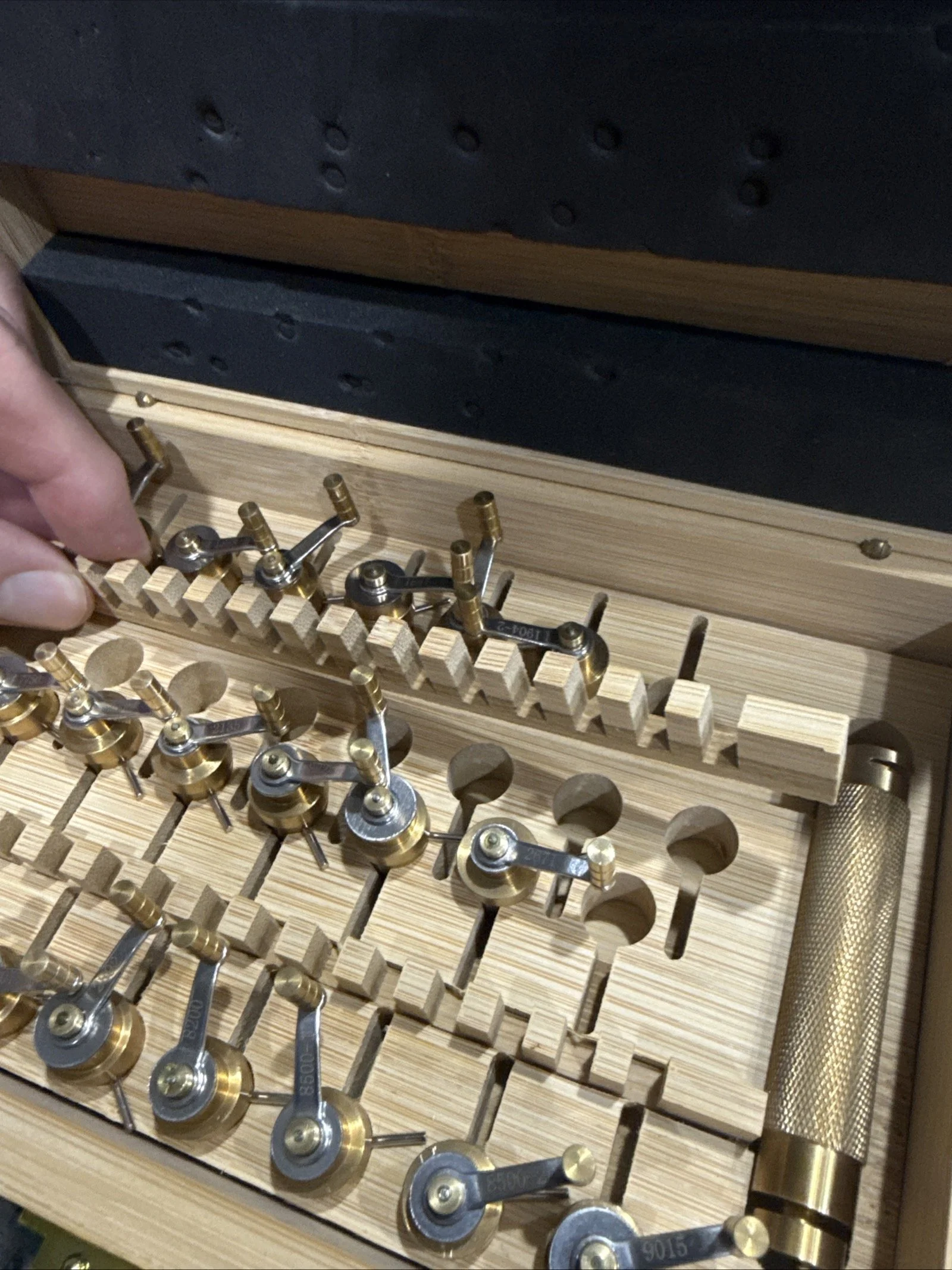
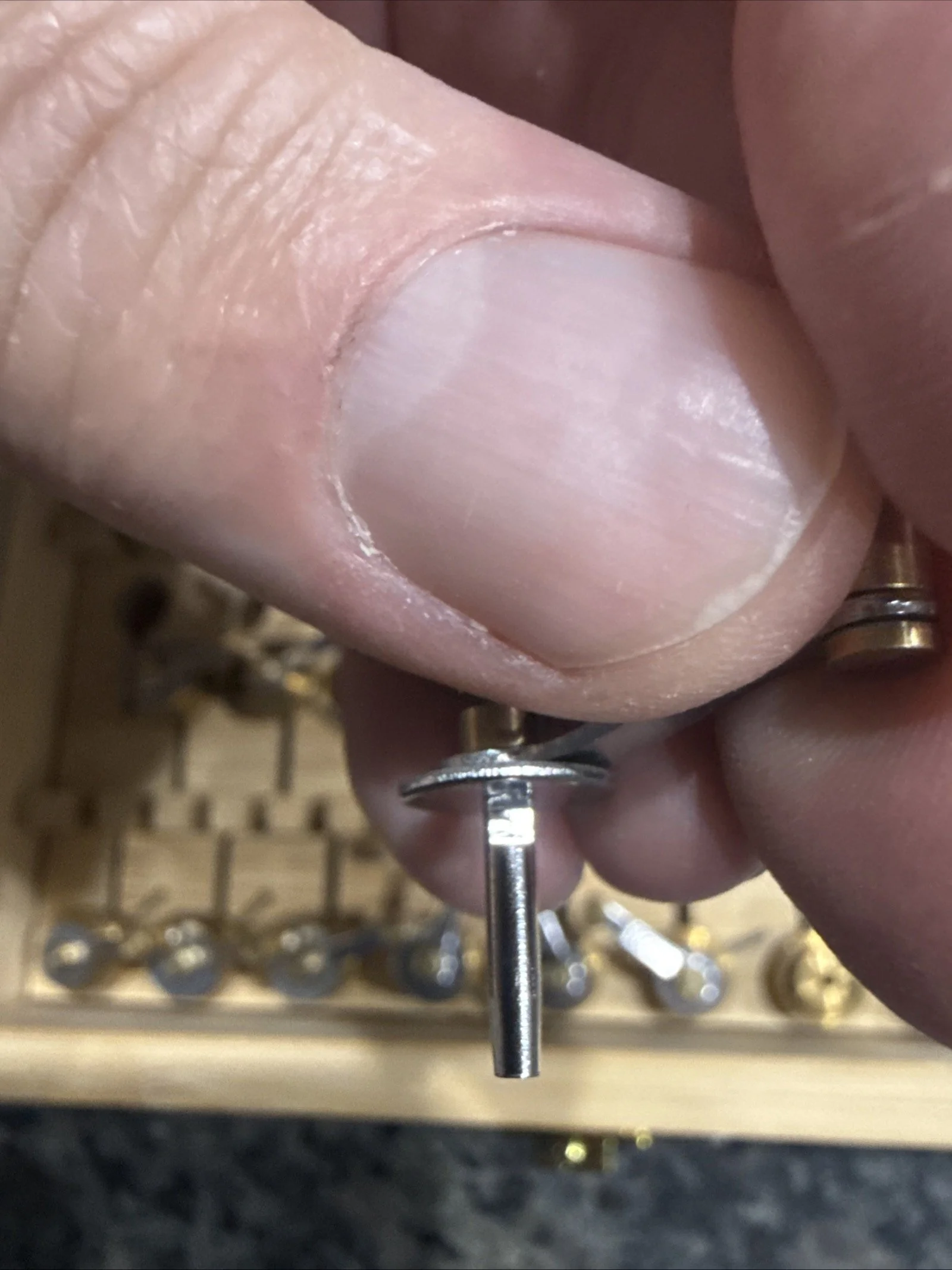
The first mainspring winder I tried was one of the most frustrating purchases on the bench. It was difficult to use consistently and I ended up damaging multiple practice mainsprings while trying to learn with it.
At that point, I stopped fighting the tool and replaced it with an older L&R mainspring winding setup.
That experience taught me another lesson pretty quickly: with watchmaking, a bad tool can make you think you’re the problem.
I still have a lot to learn with mainsprings, but having the right equipment makes that learning curve a lot less painful.
Cleaning and Lubrication
Cleaning opened up another whole category of equipment.
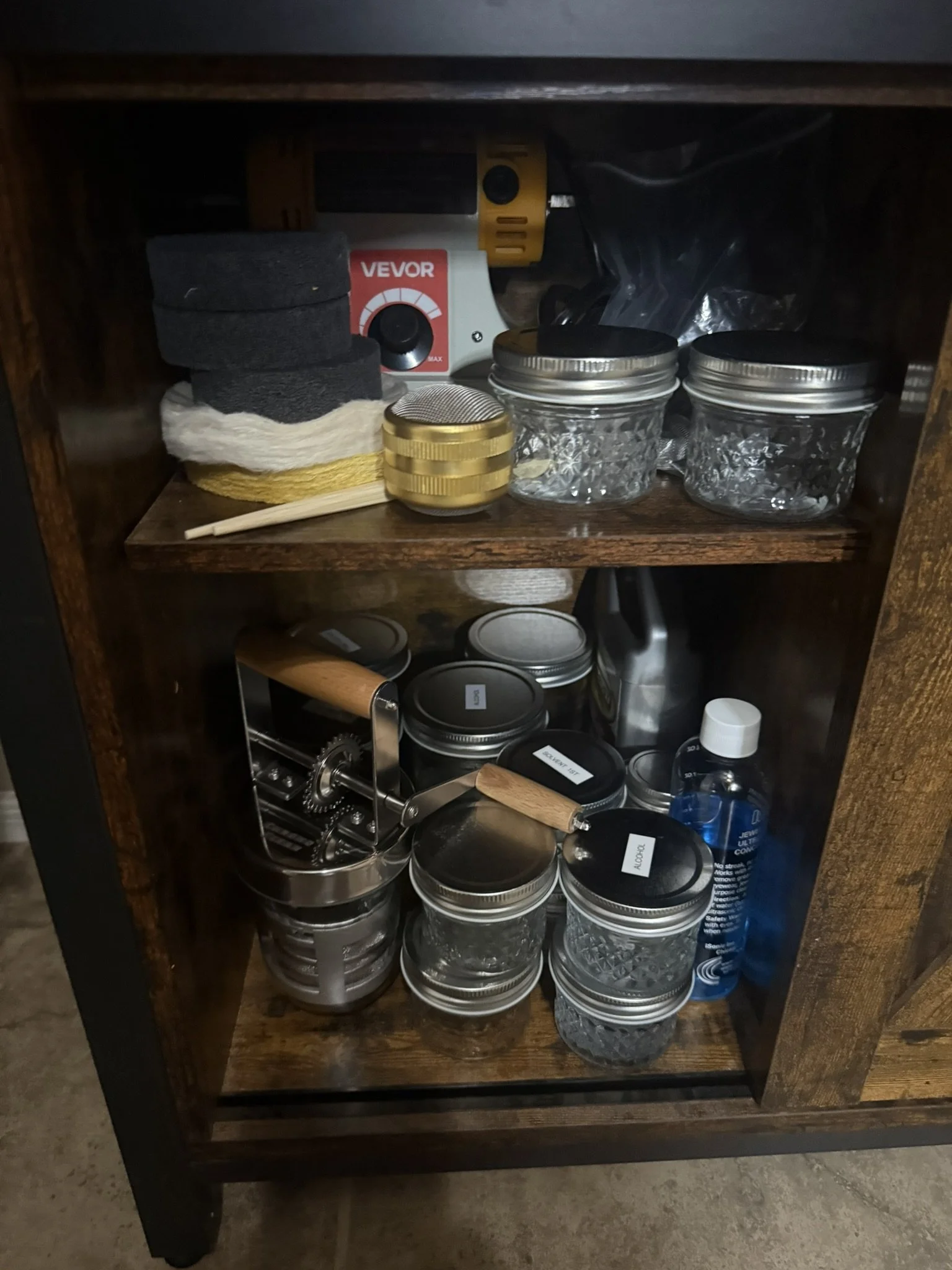
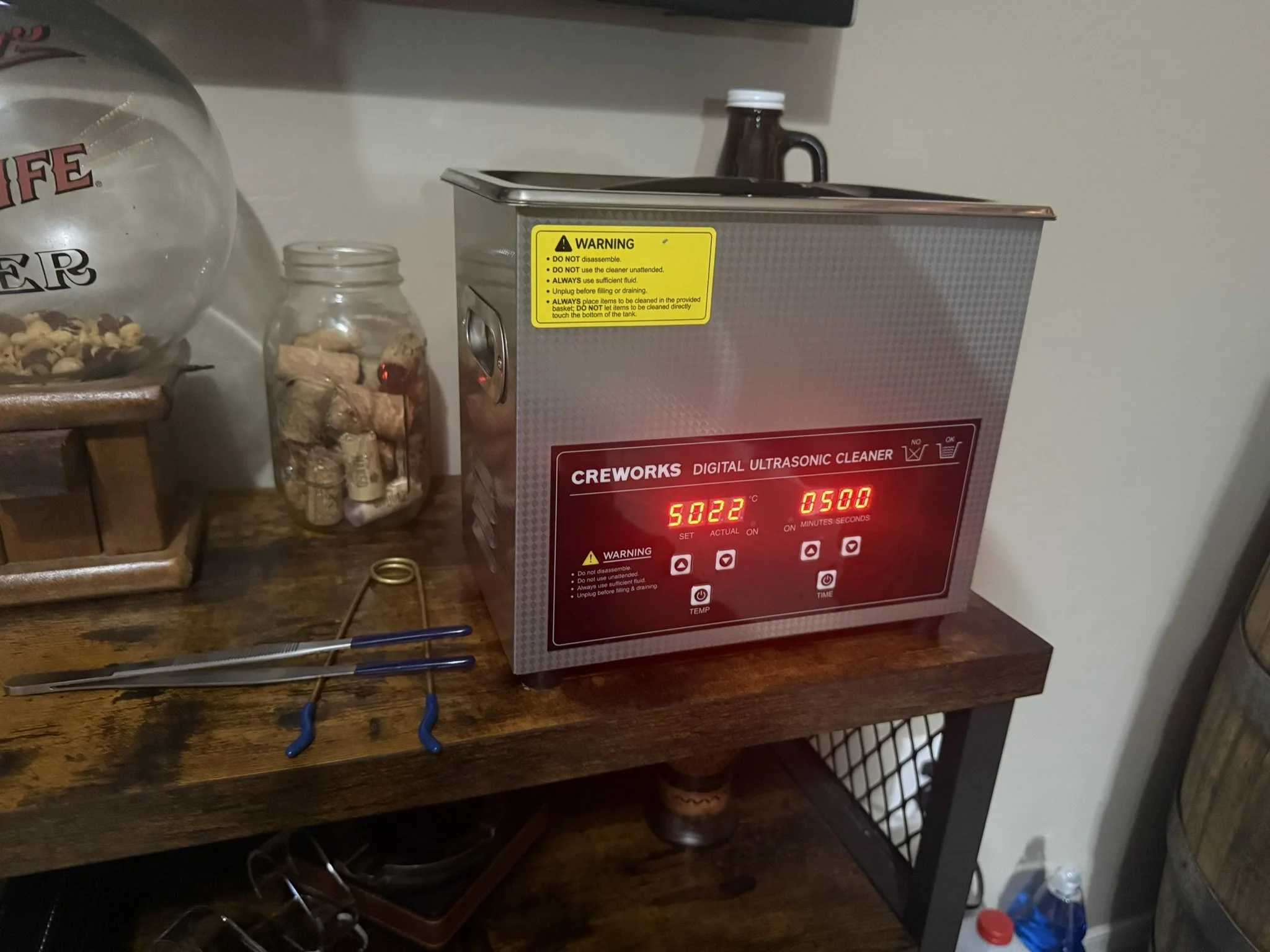
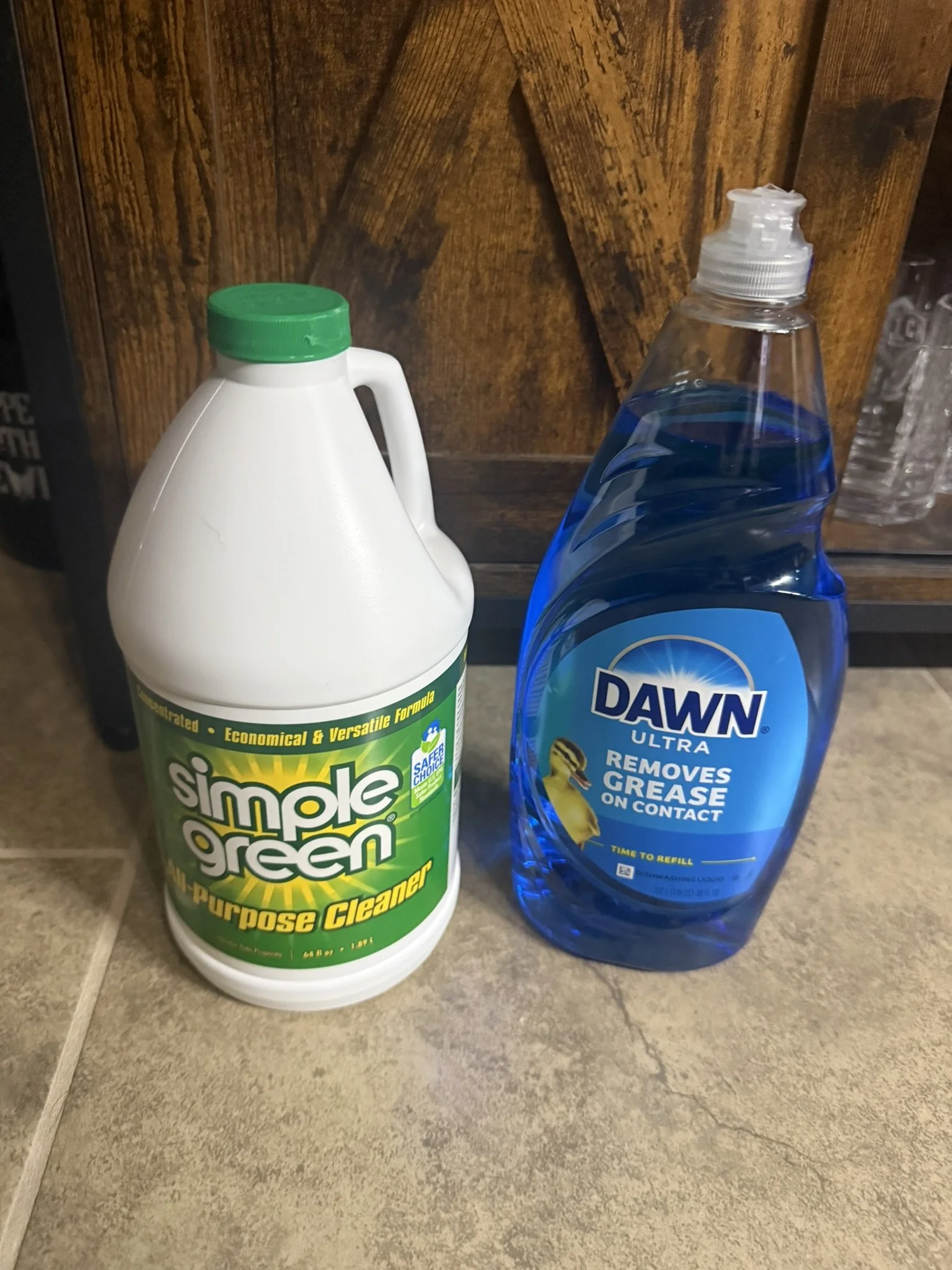
I added a 3-liter ultrasonic cleaner, cleaning jars and different solutions for cases, bracelets and eventually movement parts.
Lubrication became another subject to learn.
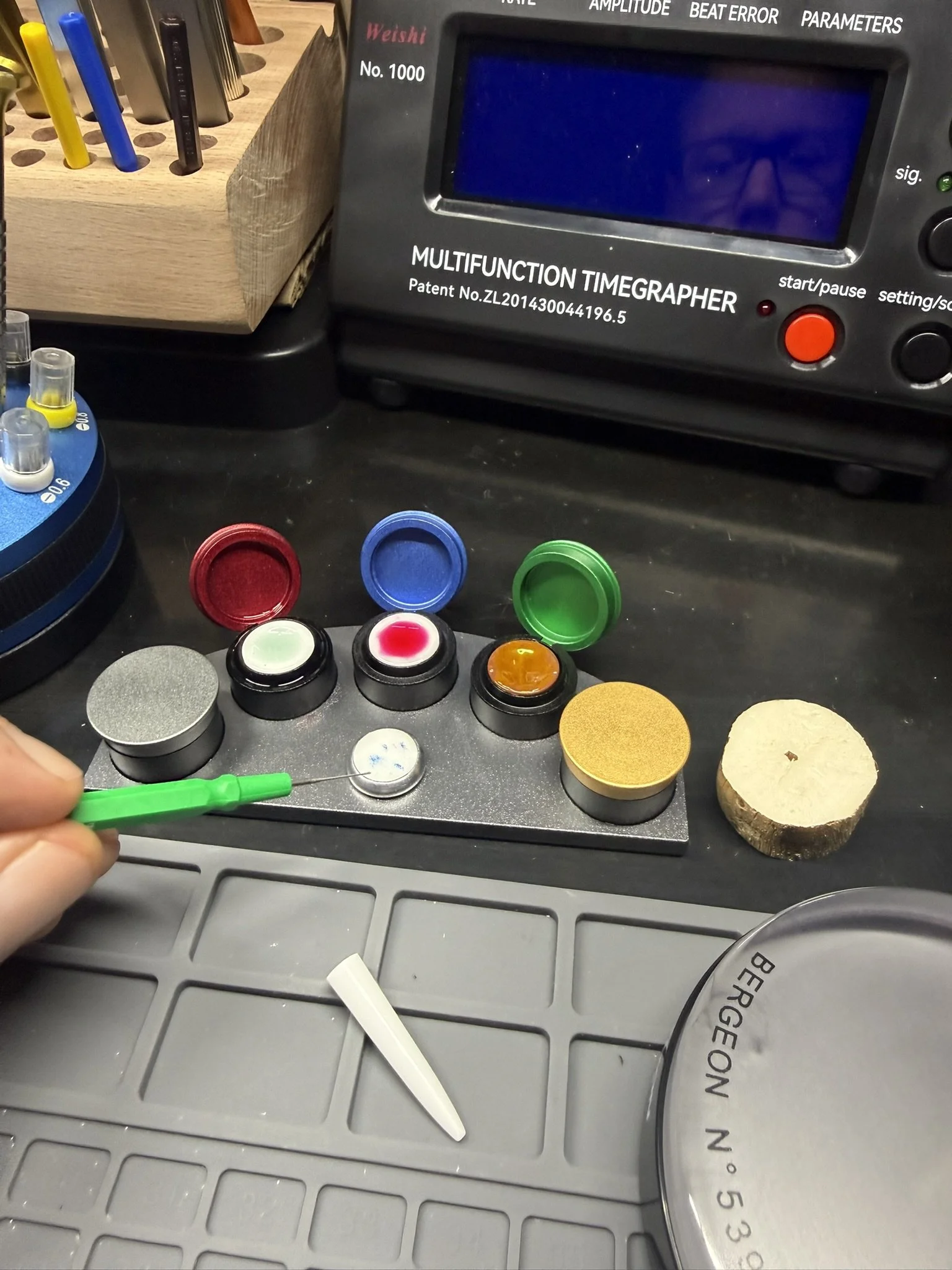
I quickly found out there isn't just one bottle of "watch oil." Different areas of a movement need different lubricants and very small amounts of them, so I started building a basic set of proper watch oils and greases.
Magnification Still Needs Work
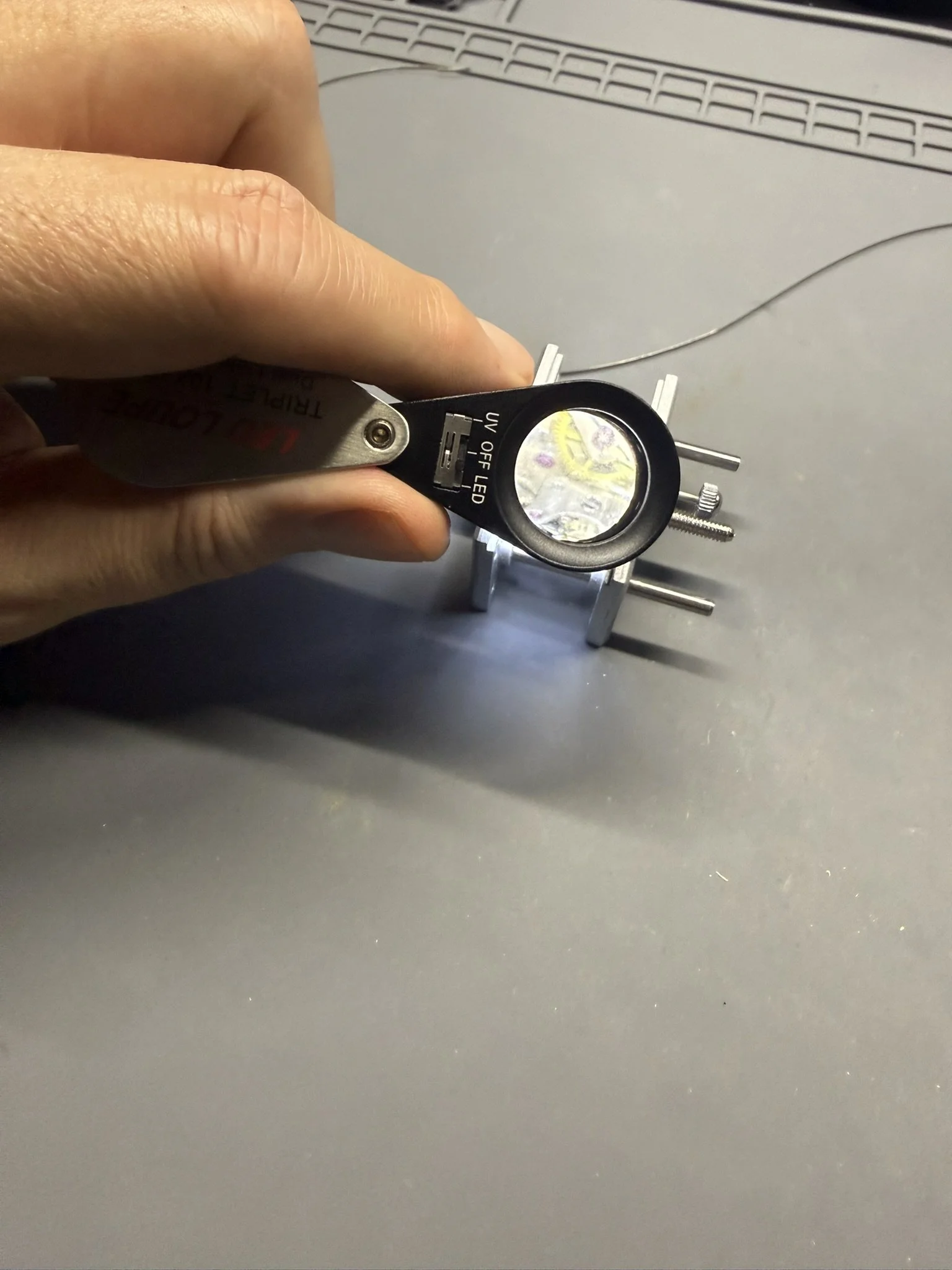
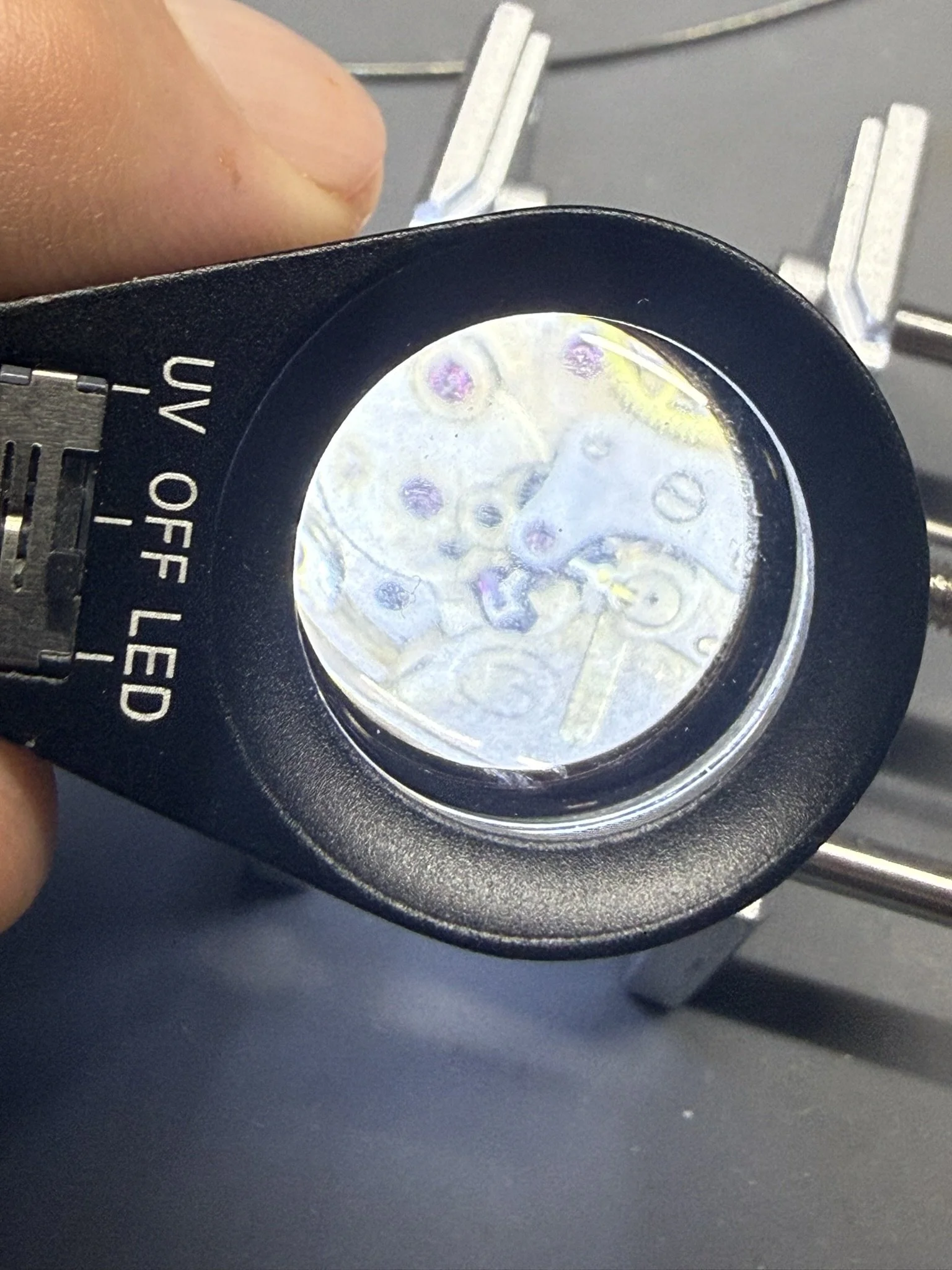
One part of the setup I still want to improve is magnification.
I need better watchmaker's loupes in different strengths so I can switch depending on the job.
General assembly doesn't need the same magnification as inspecting a jewel, pivot or hairspring.
I also want a better way to wear them so I can work comfortably with both hands without constantly repositioning a loupe.
The Bench Keeps Evolving
The biggest lesson so far is that the workspace matters almost as much as the movement.
Good lighting matters.
Good tools matter.
Magnification matters.
Cleanliness and organization matter.
I didn't want to build a full professional shop overnight. I'd rather add equipment as I learn what I actually need.
Once the bench was ready enough to start making mistakes, it was time to put a movement on it.